$320,000
LAND
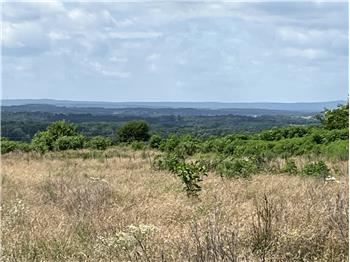
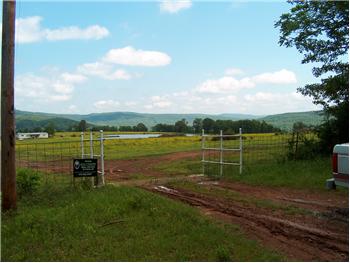
A total of 161 acres adjoining Lee Creek, Cove Creek
and the Ozark National Forest. Frontage
on Lee Creek is 500 feet. Frontage on
Cove Creek is 1/4 mile. Adjoins the
national forest on the west and south side for 3/4 mile. Entrance to the property is on the south side on National Forestry Service Road..
at 1060 ft. above sea level. The creek
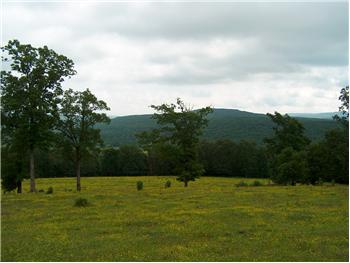
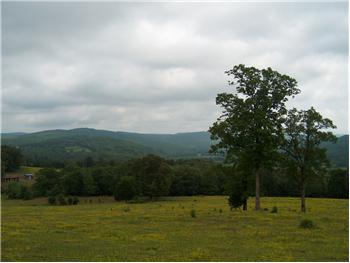
frontage on the north side of the property is 720 ft. above sea level. The view from the main house is 360 degrees
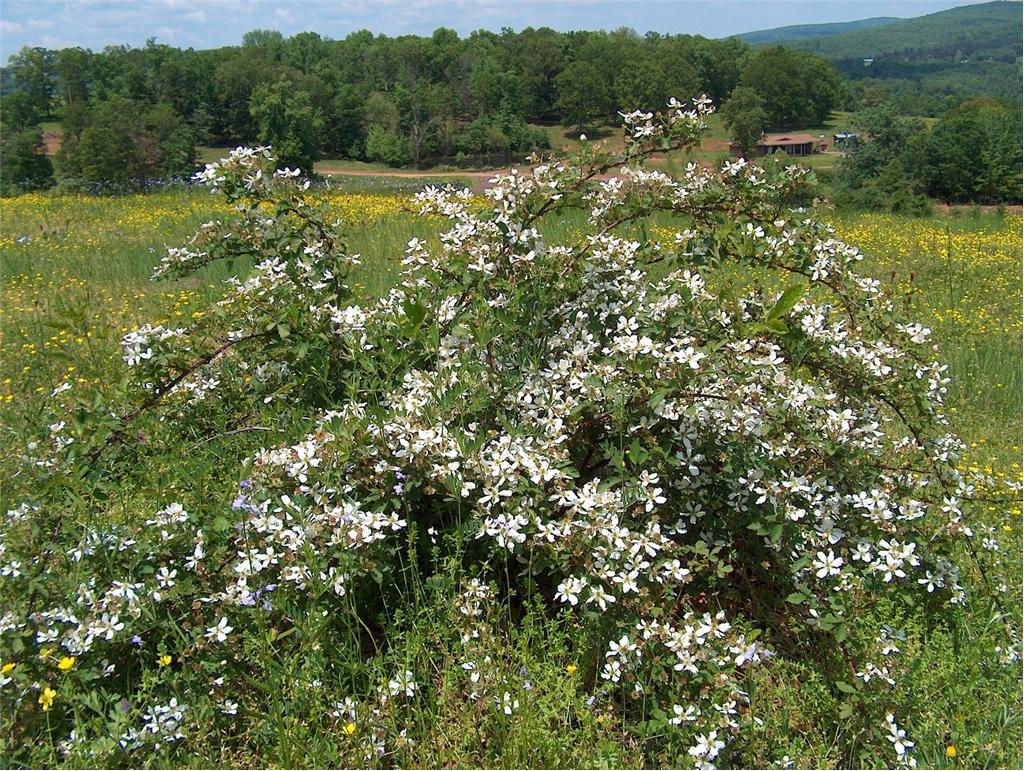
of national forest, creek valleys and distant pastures. Most of the adjoining private land is timber
with a few cleared pastures. The
adjoining national forest is all timber.
The trees are hardwood and pine and have not been logged in many
years. Grazing capacity is 60 mother
cows. Current real estate taxes are
$415.95 per year. Most of the soil is
Nella-Enders association supporting bahiagrass, bermudagrass, tall fescue and
lespedeza. There is about 100 acres of
pasture and the remainder is timber.
Mineral rights, if any, will be conveyed with sale.
WATER
Lee Creek and Cove Creek merge in the northeast corner
of the property. Lee Creek flows from
Arkansas into Oklahoma and back into Arkansas where it empties into the
Arkansas River. There is a water storage
impoundment on Lee Creek in Van Buren, AR, supplying 25% of the drinking water
for Fort Smith. During high water
periods after a rain, Lee Creek can be floated in a canoe or kayak. The owner has built a total of nine ponds on
the land, the largest being about 3 acres.
Seven of them are stocked with bass, crappie and catfish. There are several freshwater springs on the
land, some used to supply water to ponds.
WILDLIFE
In addition to the game fish in the ponds, there is
smallmouth fishing in Lee Creek. The
land also supports whitetail deer, wild turkey, and an occasional black
bear. The ponds attract Canada geese and
wild ducks. Several mallard ducks were
present May 1st which may indicate they are nesting there. The geese are nesting on the property.
HOMES
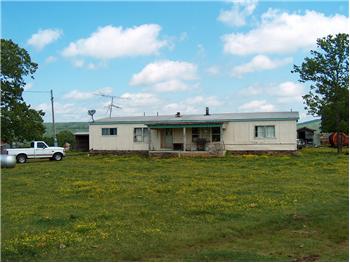
The main house is a double wide mobile home of 1464 s.f. heated and cooled living
space. It has 3 bedrooms and 2
baths. The second house is a brick home
of 1224 s.f. with 2 bedrooms and 1 bath.
The homes are heated with propane and cooled with electric. Domestic water is supplied by a freshwater
spring and two 2000 gallon processing tanks.
There are two hand-dug wells onsite that serve as backup supply.
OUTBUILDINGS
There are two pole barns, one 20 X 43, and the second
20 X 27, and a 12 X 22 metal shed.
Cattle working pens are near the main house adjoining a pole barn.
LandThink Pulse: Owning Land Adjoining a National Forest, Park, or Refuge Considered Advantageous
 November 12, 2013
According to October’s results, an overwhelming 84.5% of respondents believe that owning land adjoining a national forest, park or wildlife refuge is a definite advantage. Owning property adjacent to state or federal land certainly has pros and cons. Advantages would include assurance that the land next door would not be sold to developers, and your view would remain the same as the day you purchased the property. If you’re a hunter, it could mean access to an abundant, managed wildlife population. For these reasons, the value of your property would likely increase, as buyers view these factors as intrinsic value. Some of the disadvantages might include future risk of condemnation, or eminent domain. Additionally, if a property dispute should ever arise, a landowner would be up against a bevy of real estate lawyers and cash. Depending on its use, state or federal land might experience high traffic, by both the park guests and employees.
Last month, the October Pulse asked: In your opinion, is owning land that adjoins a national forest, park or wildlife refuge an advantage or disadvantage? Our informal online survey revealed that 84.5% of our audience believed it was an Advantage, while just 15.6% said they thought owning land that adjoins a national forest, park or wildlife refuge was a Disadvantage.
It was the general consensus of the LandThink audience that owning land adjoining a national forest, park or wildlife refuge is beneficial. The pros outweigh the cons; essentially it would be like owning hundreds of acres in addition to your own land, offering solitude, plenty of wildlife, and unobstructed views.
www.hulacountry.com
Frank Lay 479-414-4402

 Request More Information
  Schedule Showing
 Email to Friends and Family
 Print Flyer