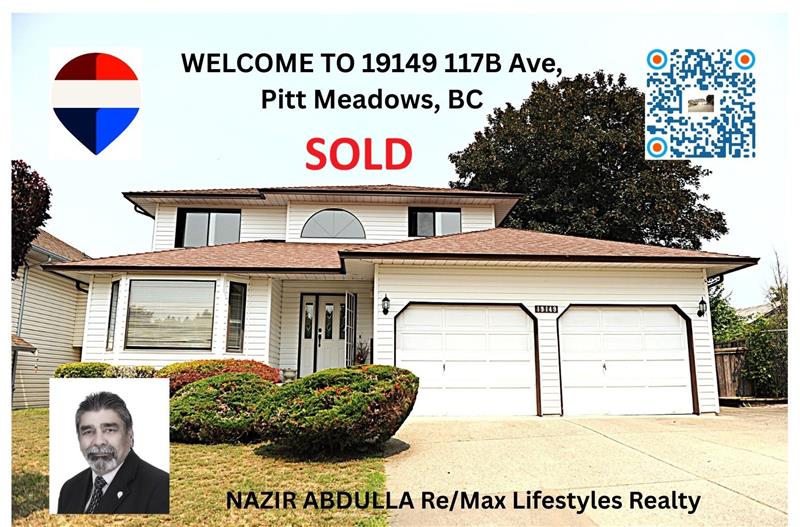
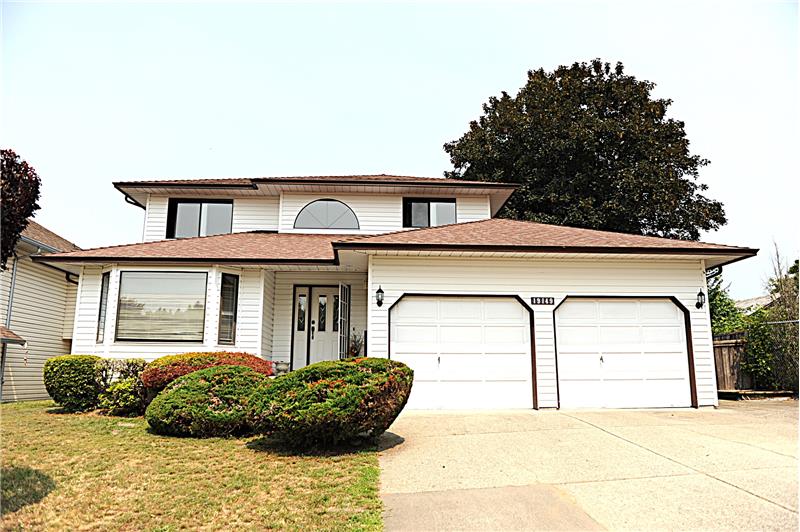
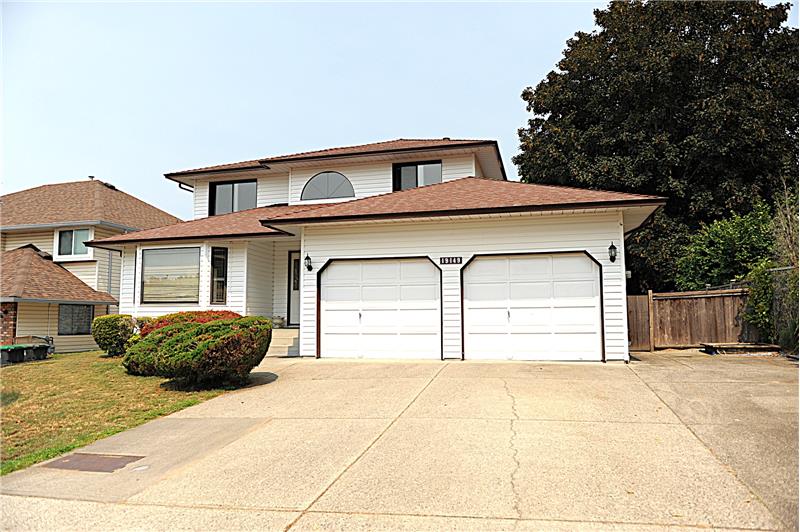
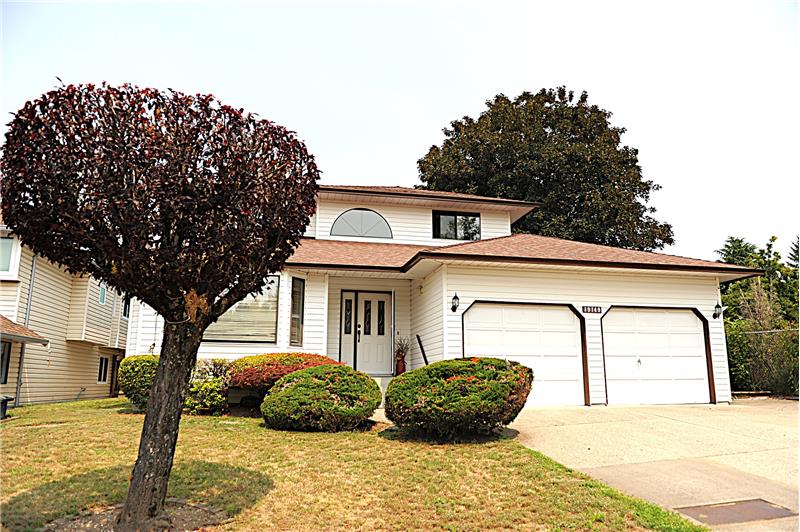
19149 117B Ave
Pitt Meadows, BC V3Y 2C3
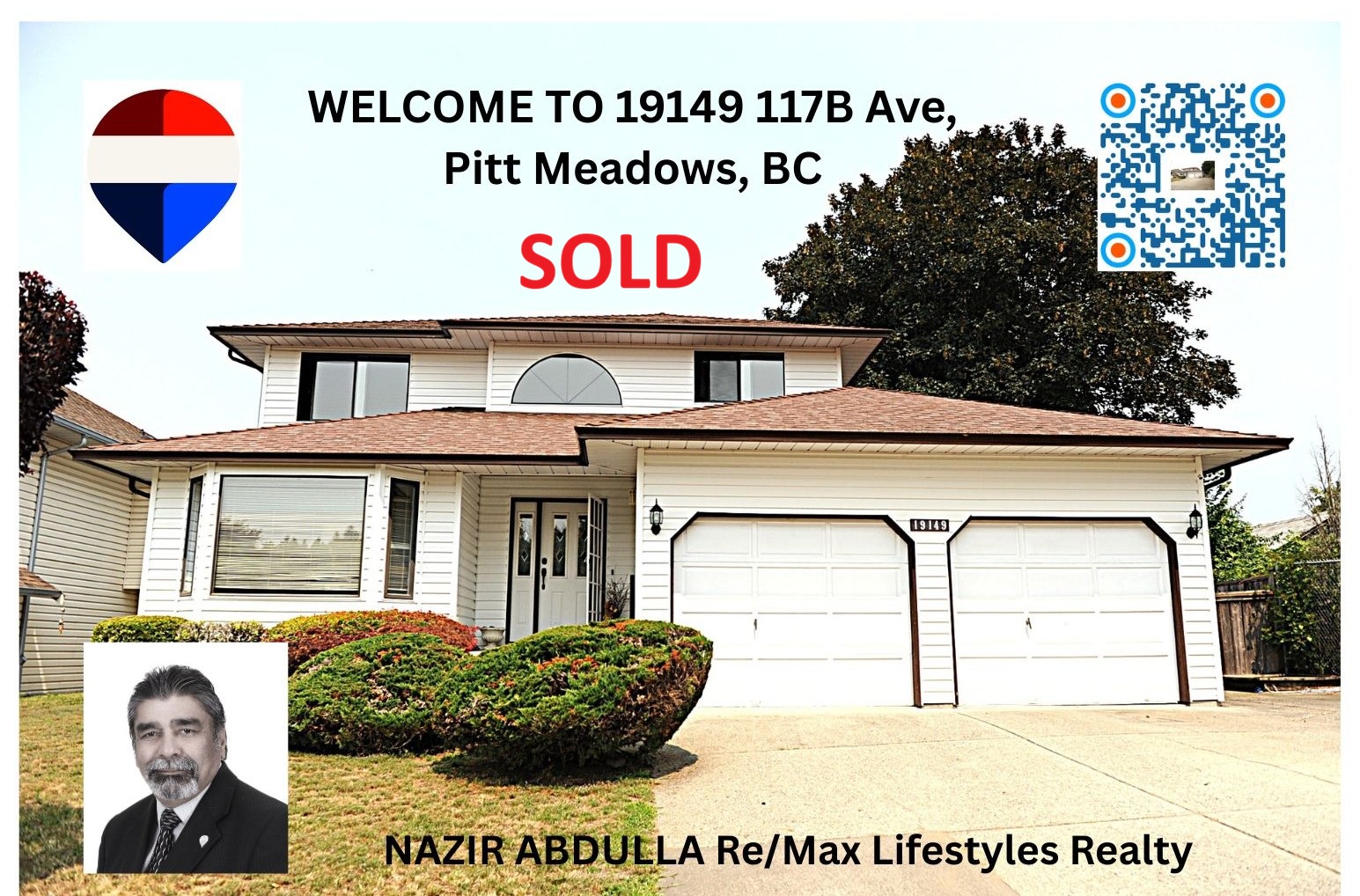
Sold


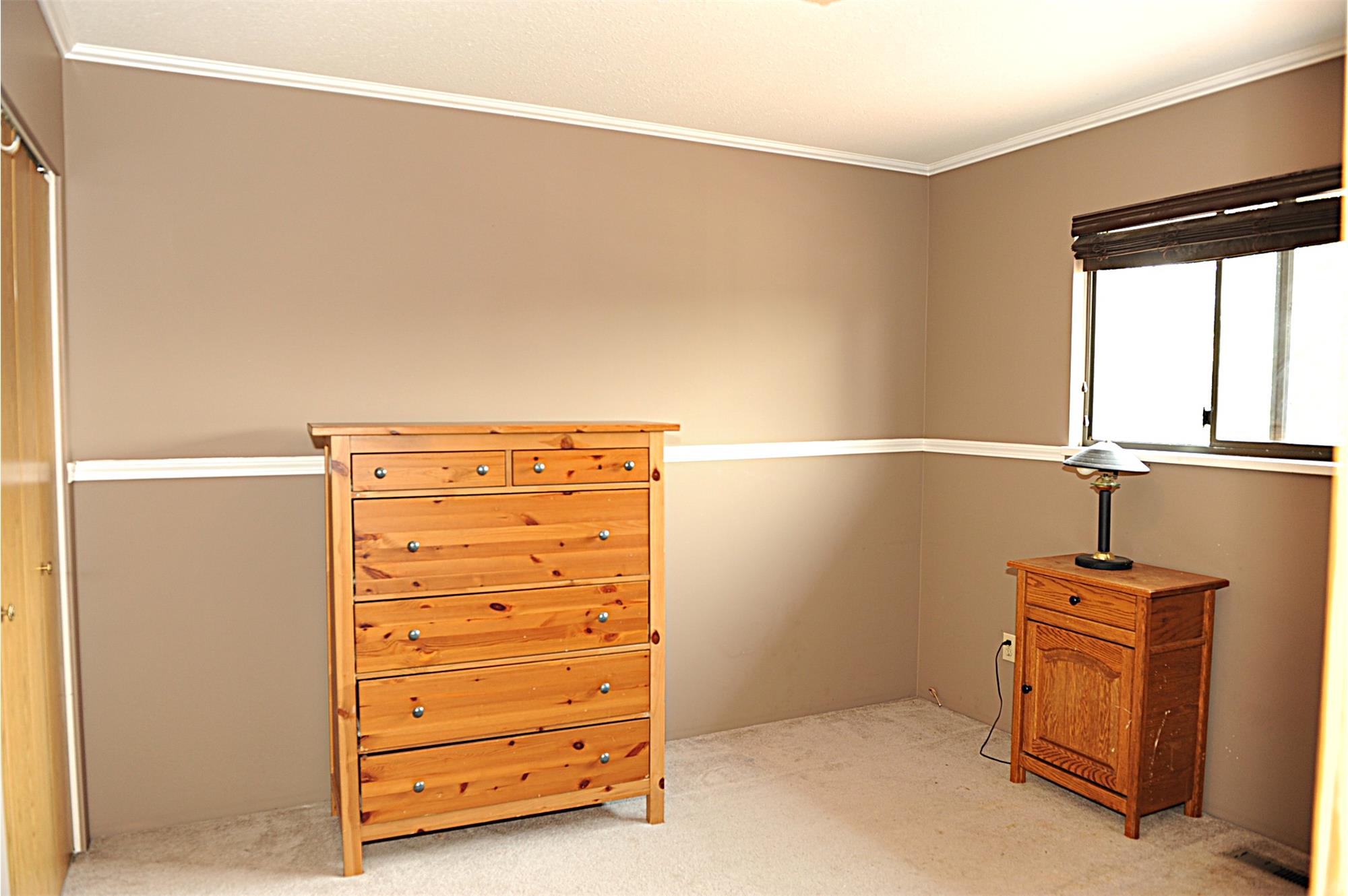
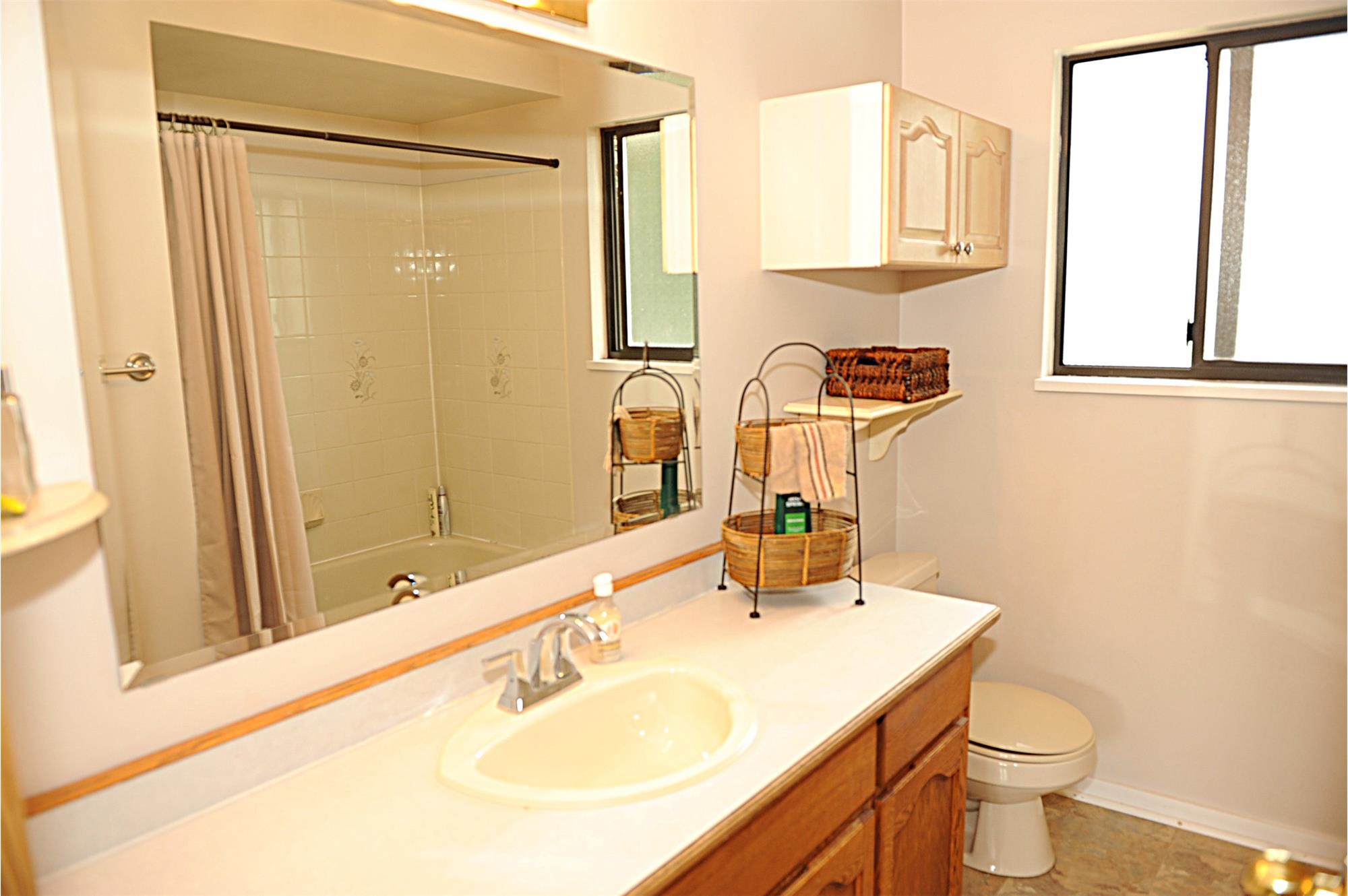
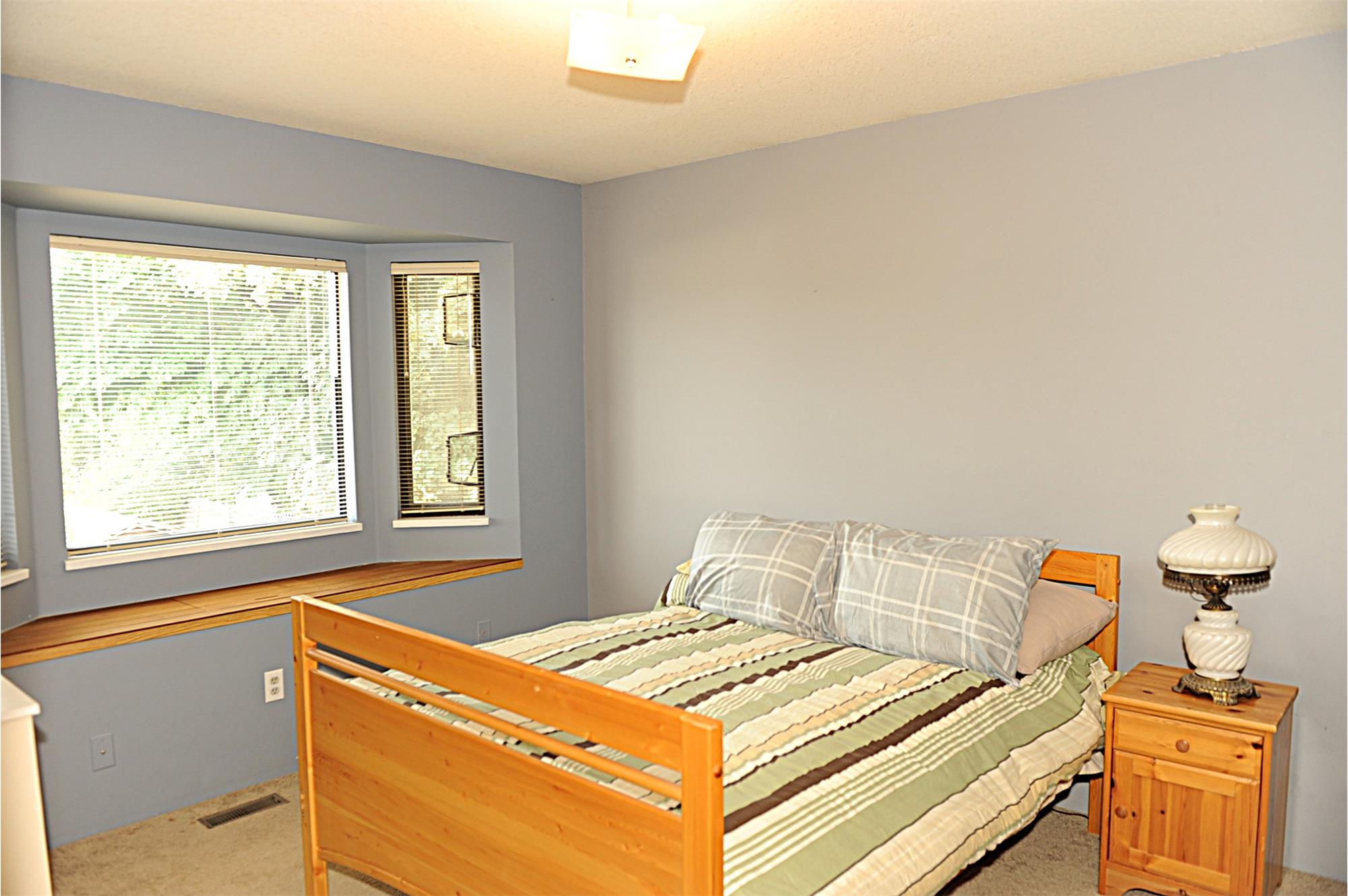
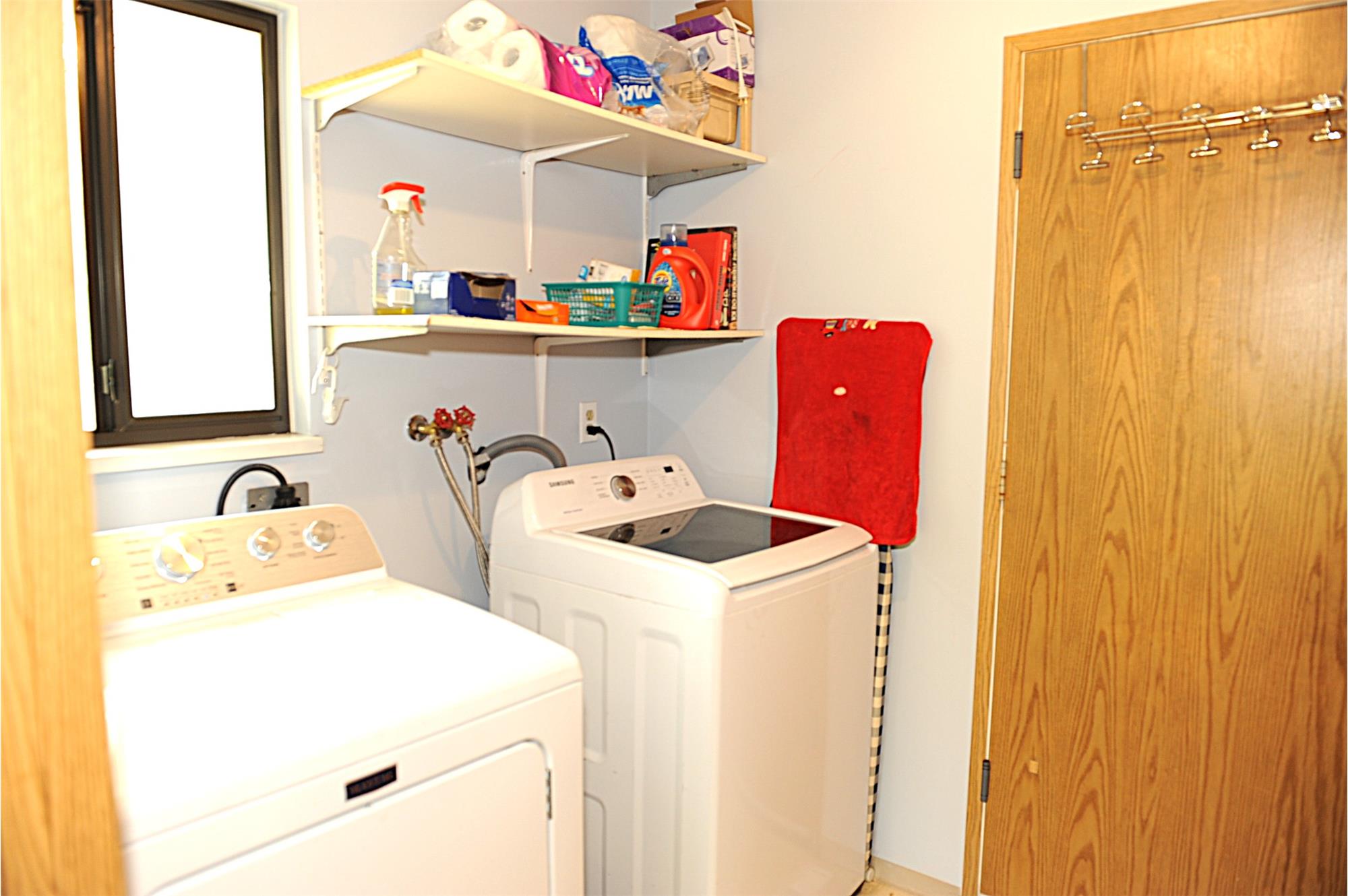
Location, Location, Location!
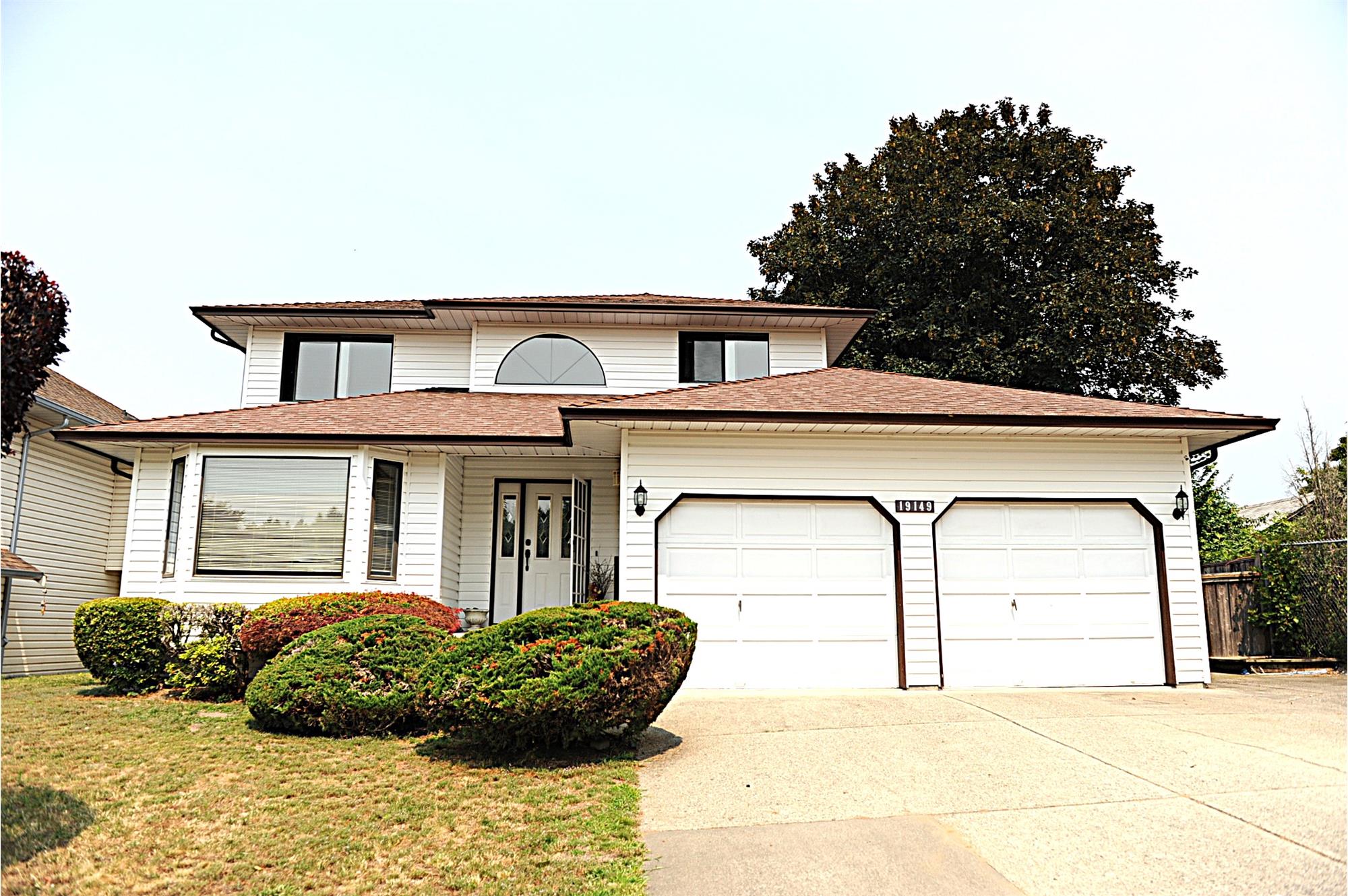
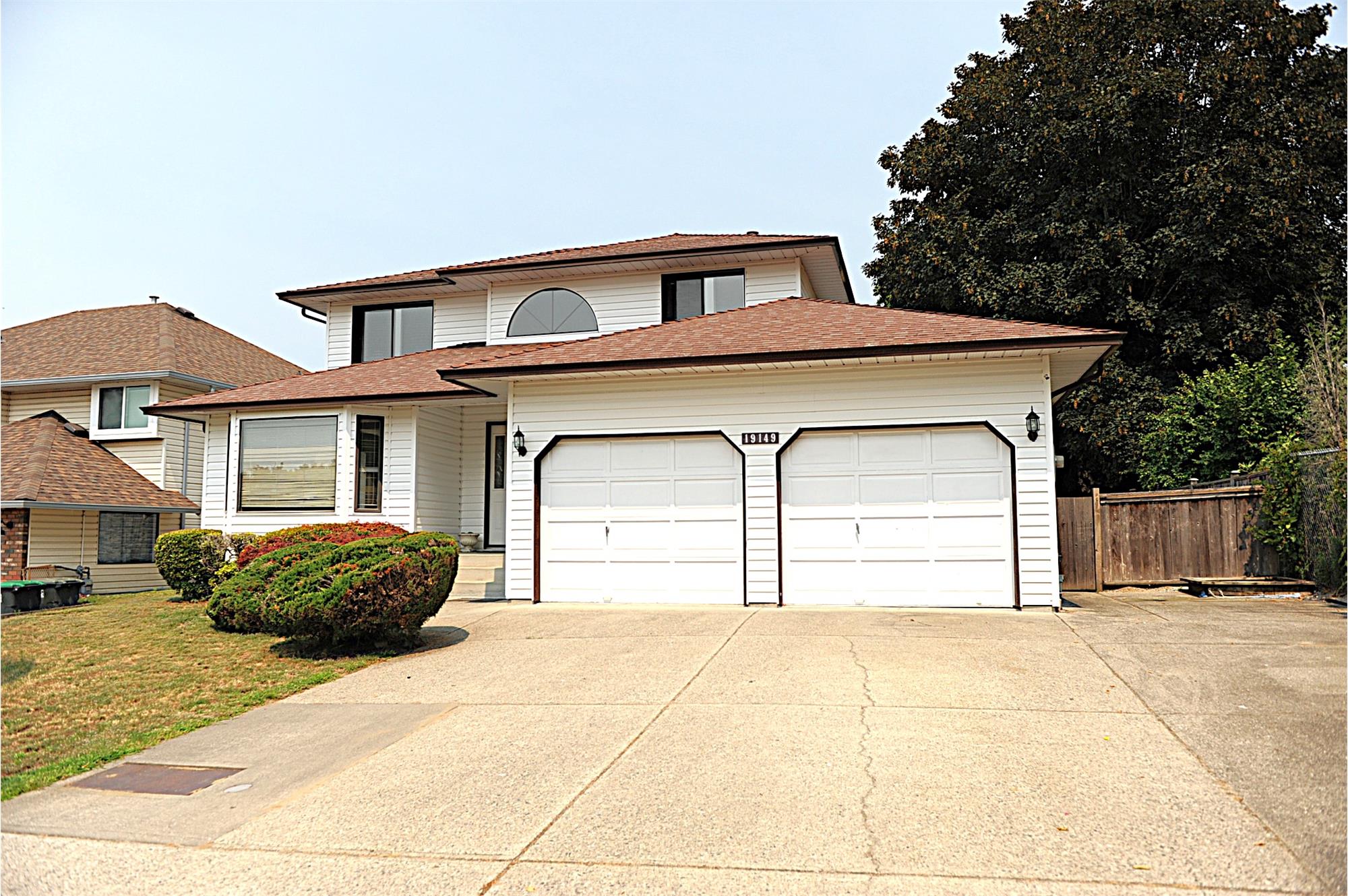
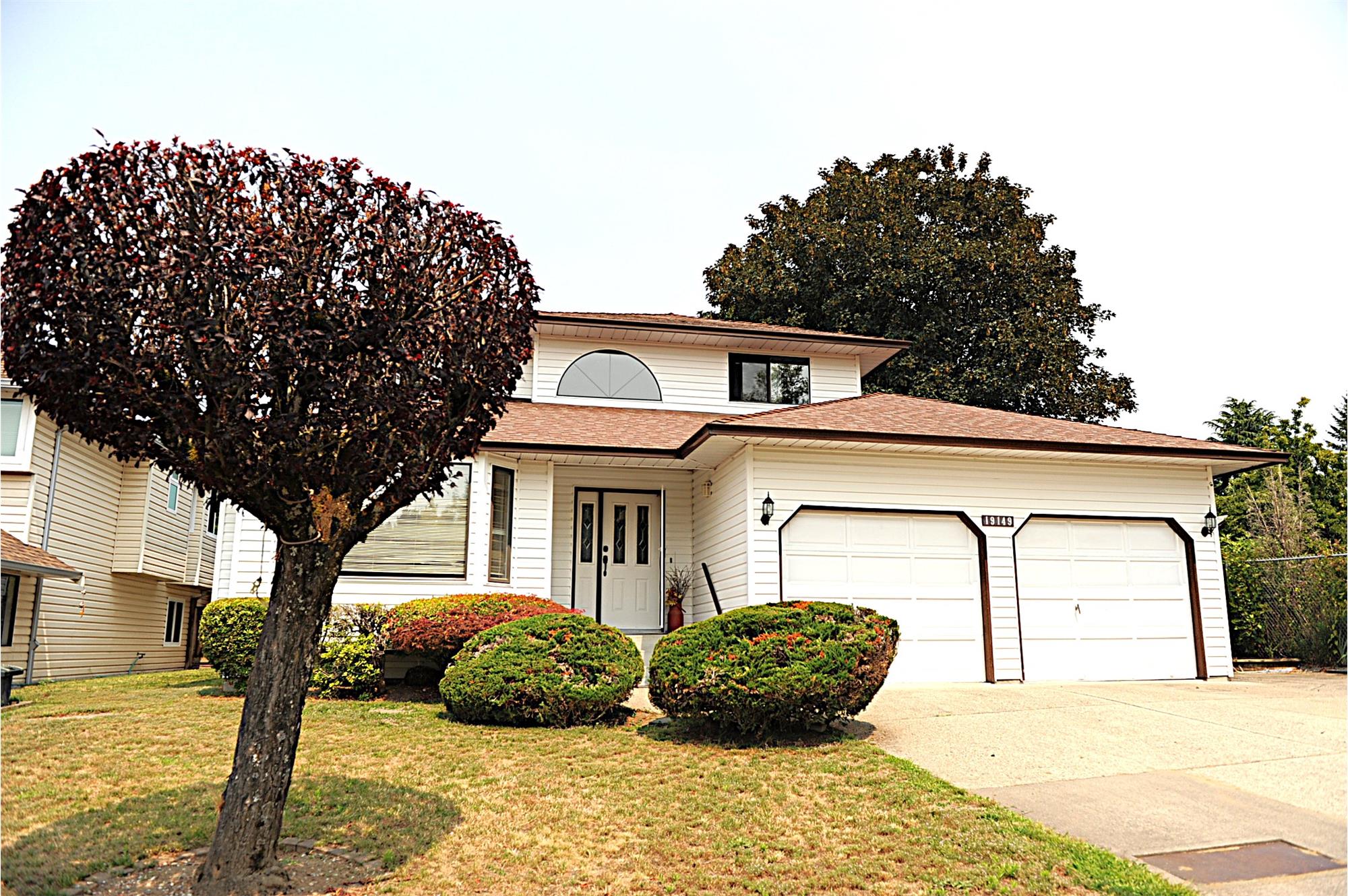
Tucked away on a quiet dead-end street in one of the area's most sought-after neighbourhoods, this custom-built two-storey home is offered for sale for the very first time.
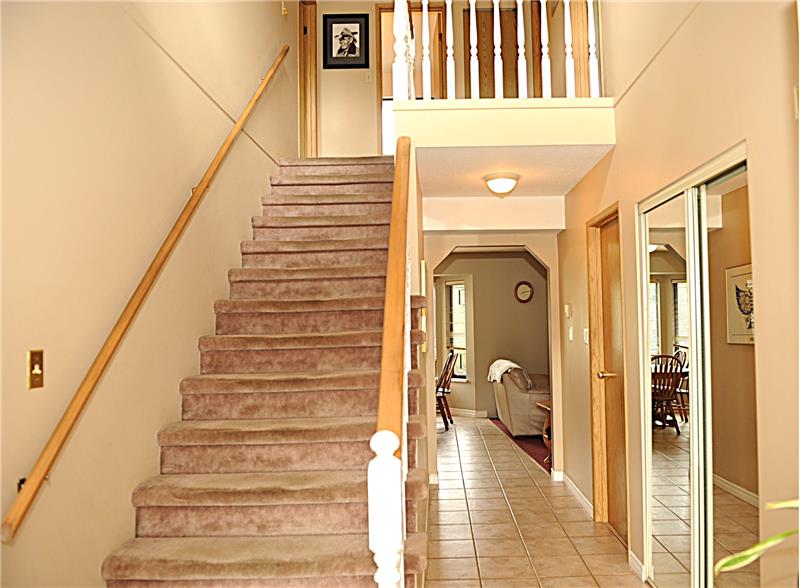
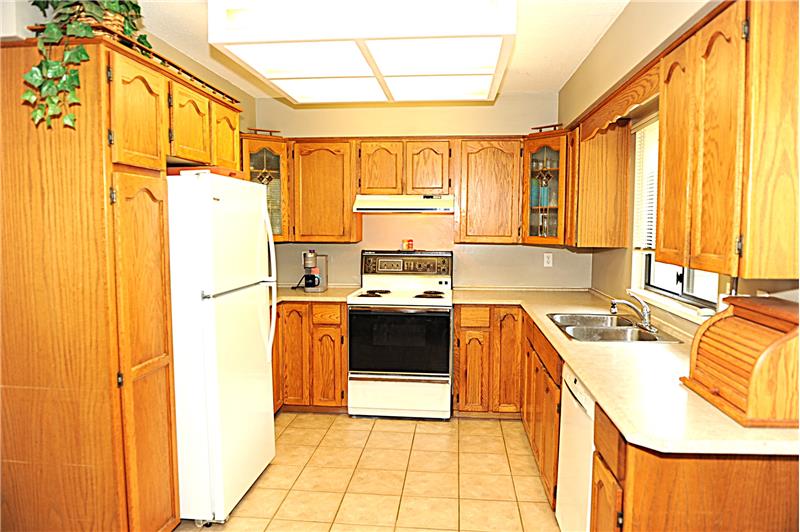
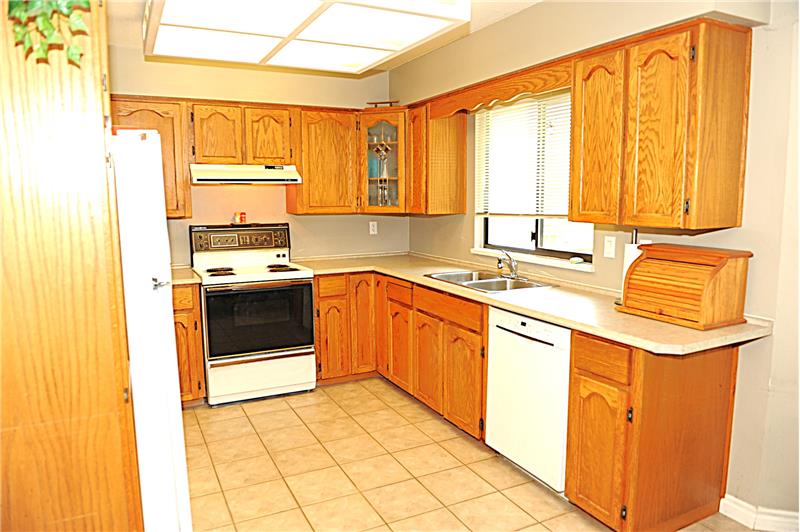
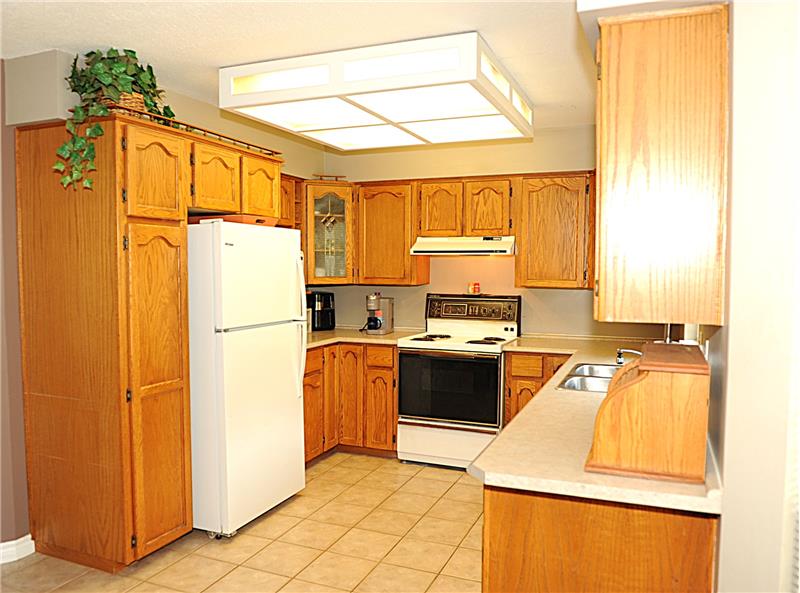
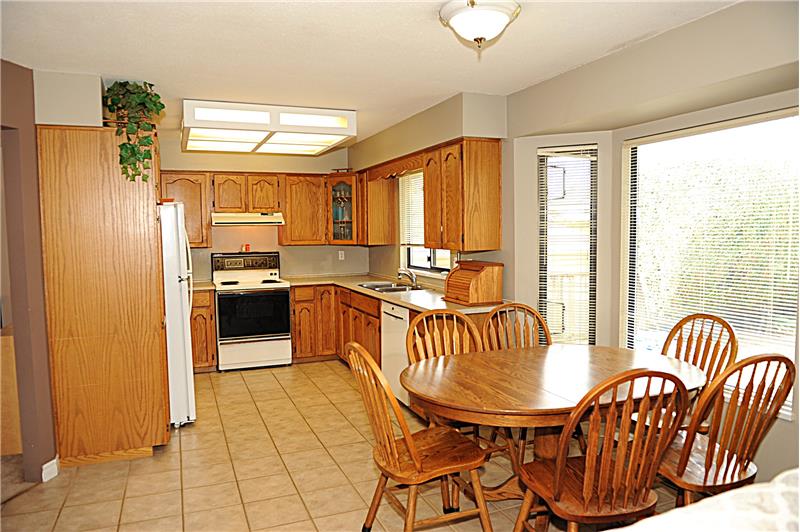
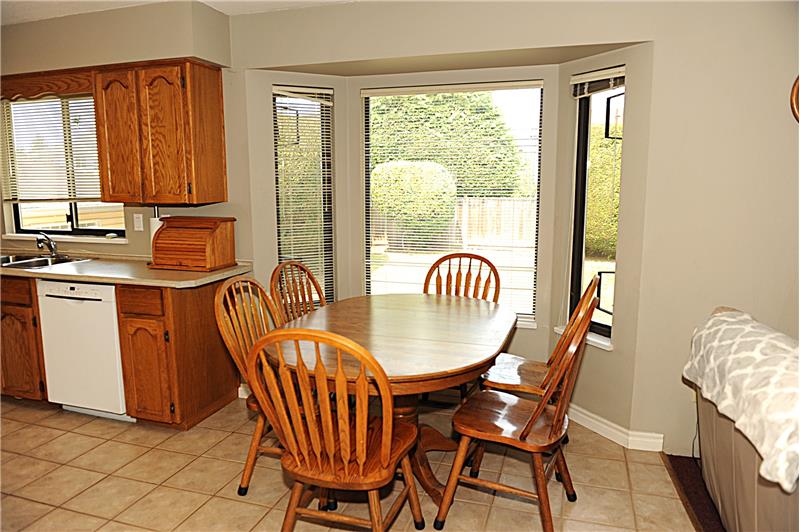
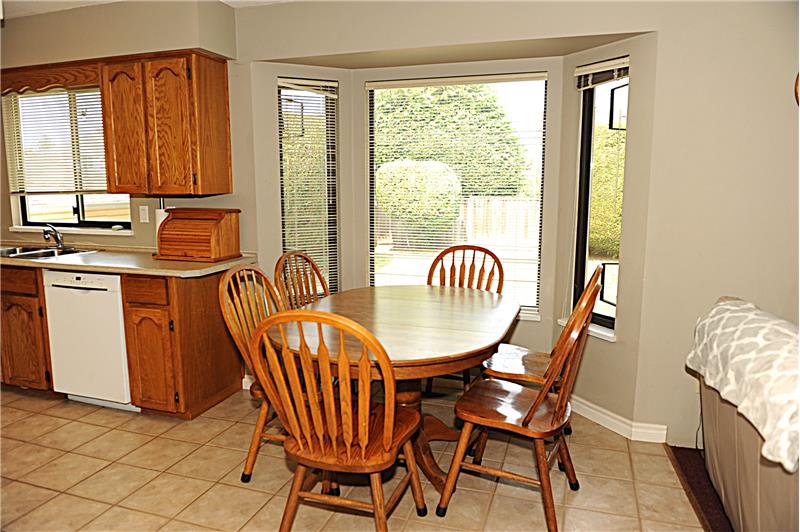
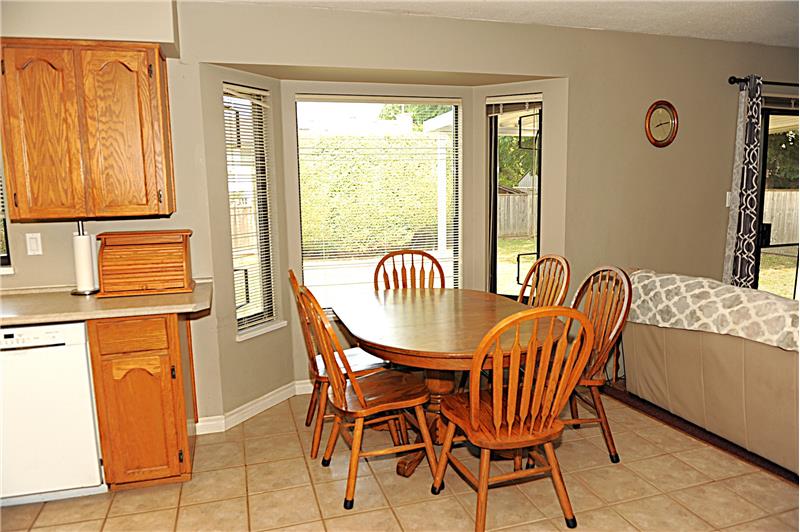
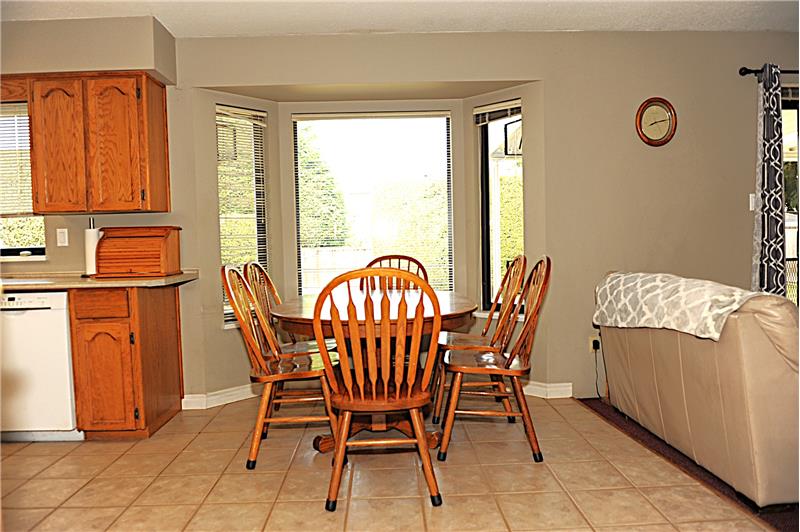
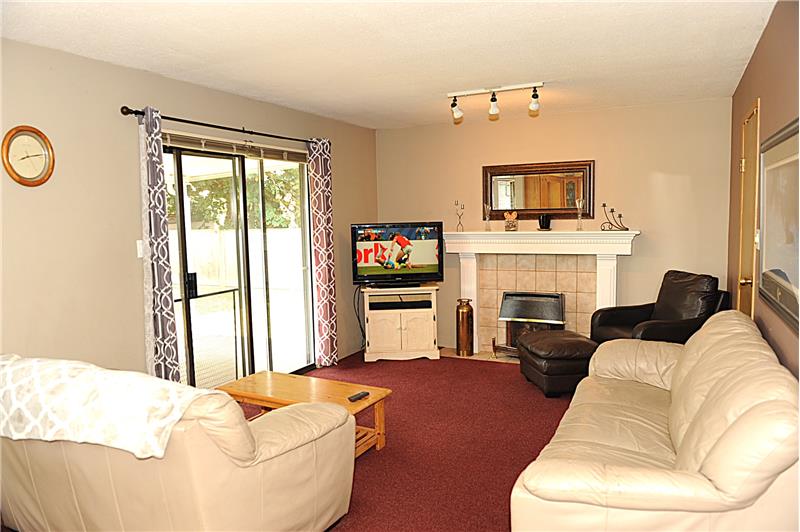
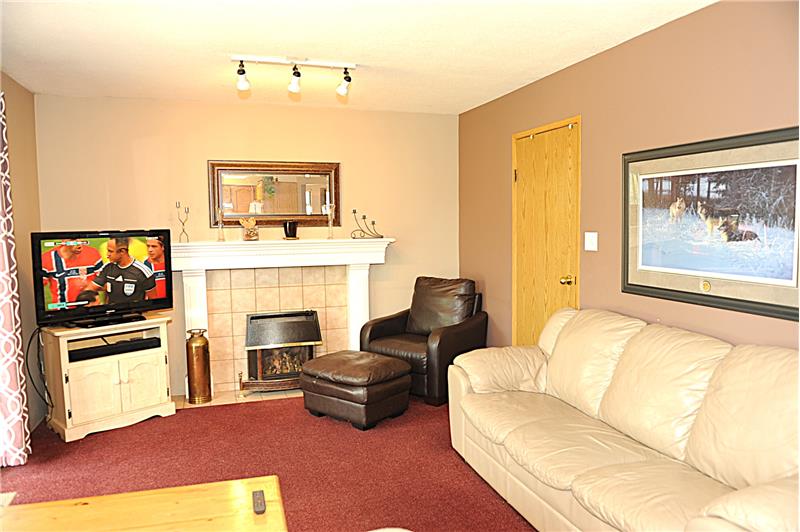
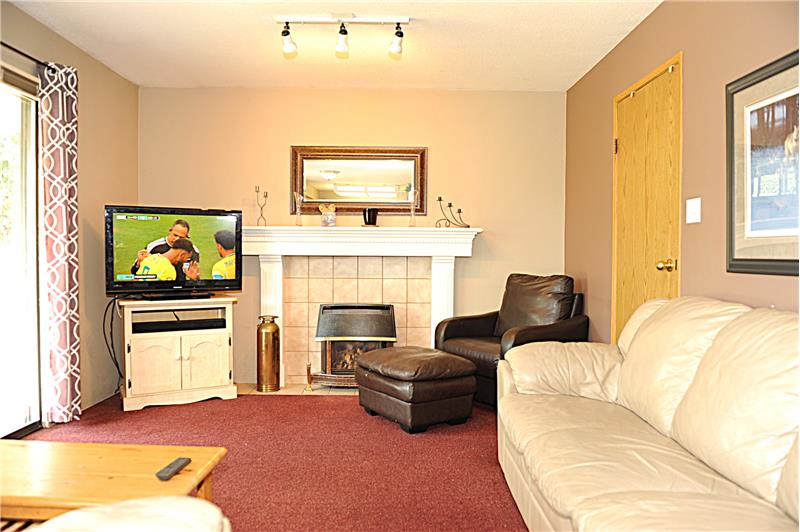
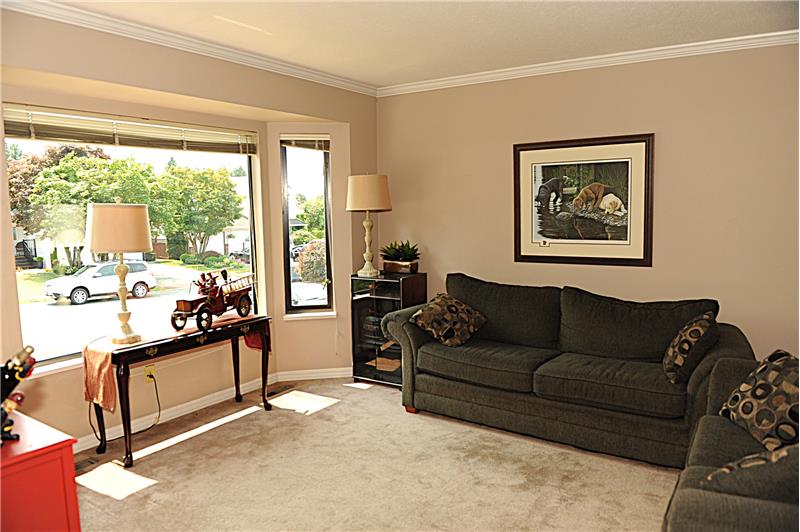
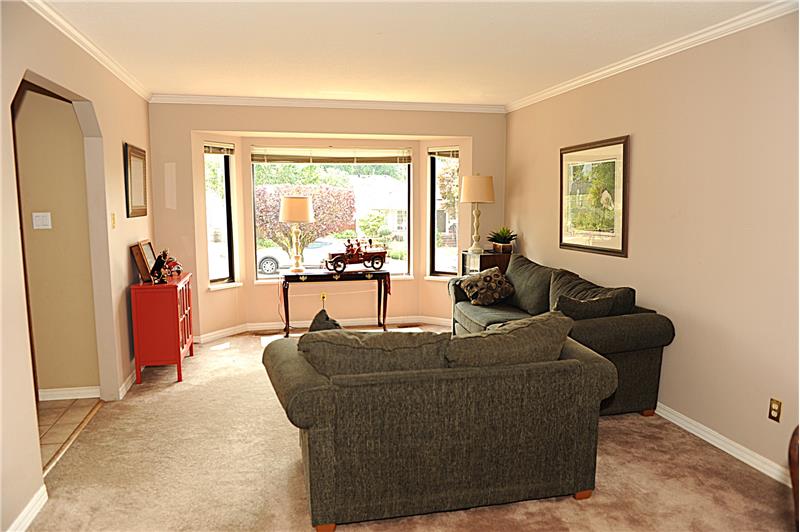
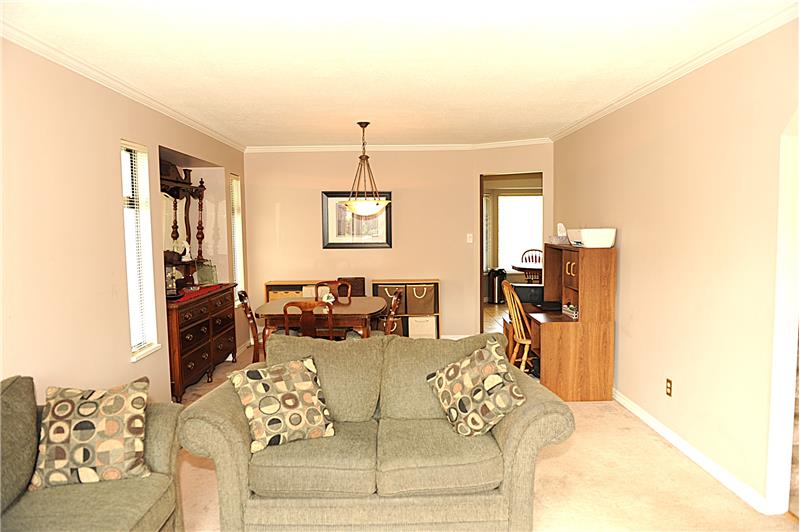
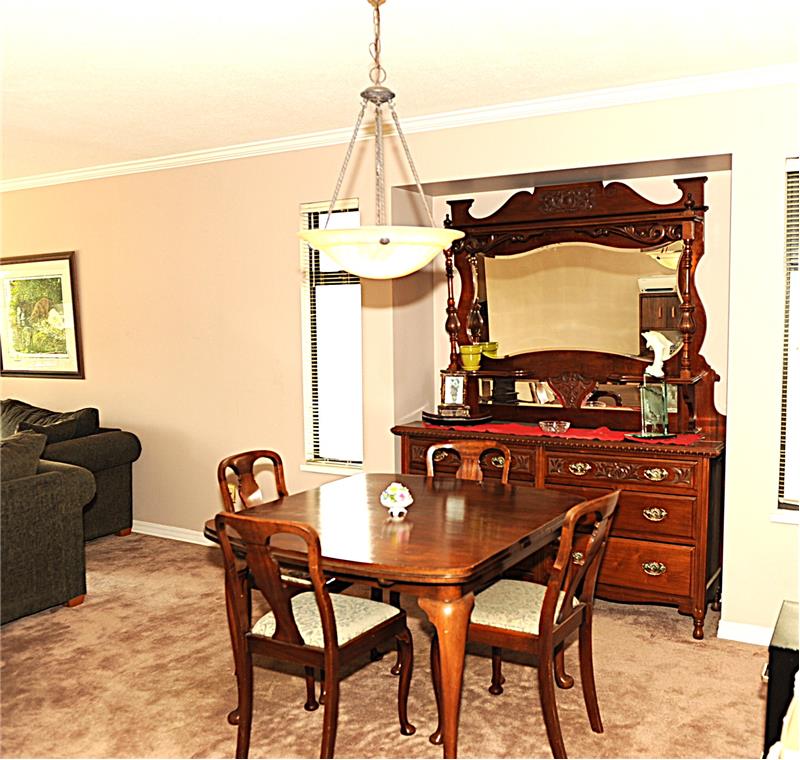
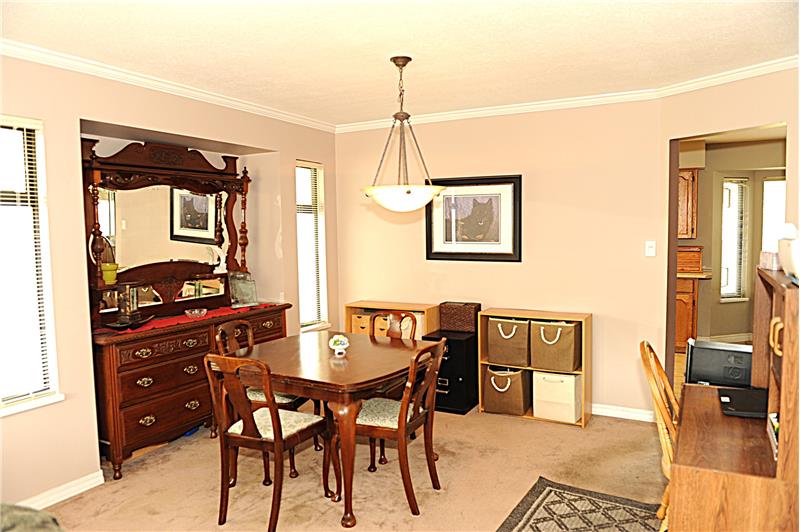
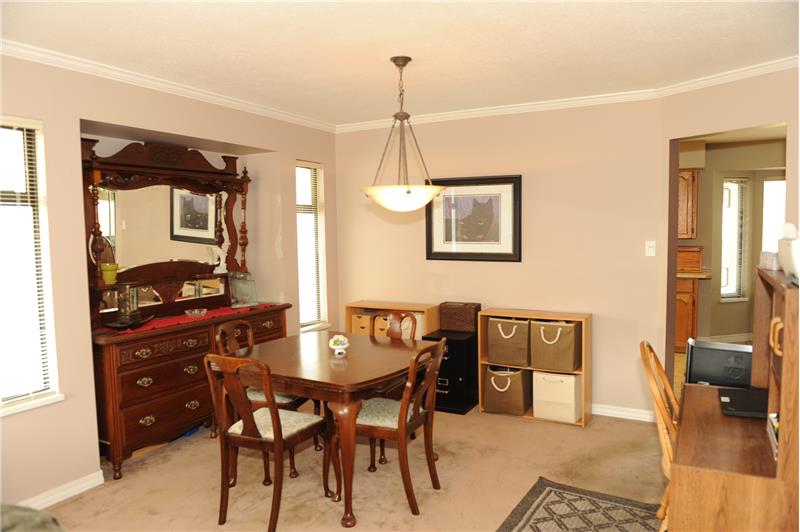
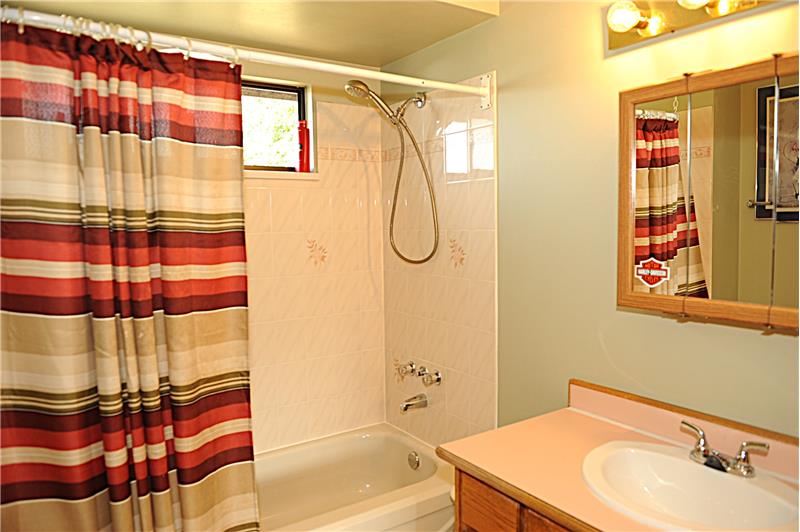
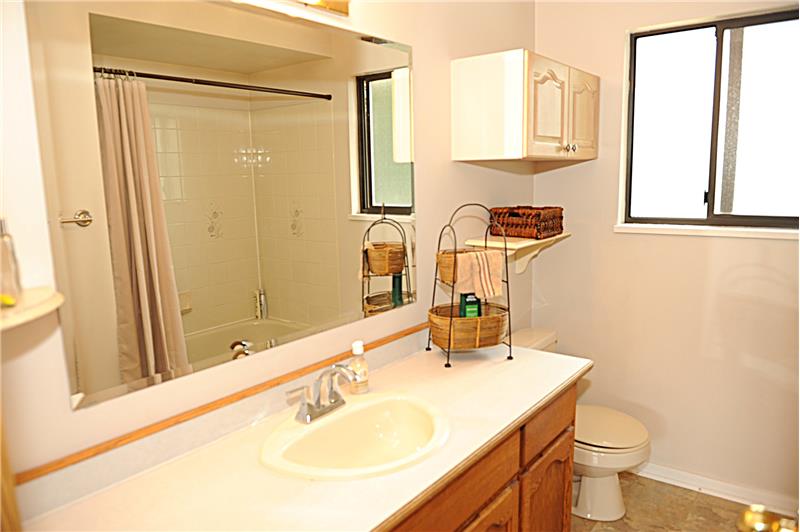
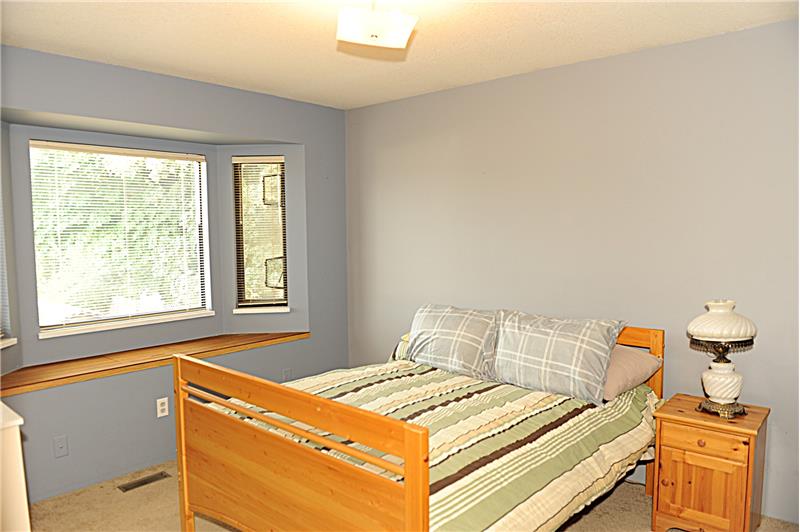
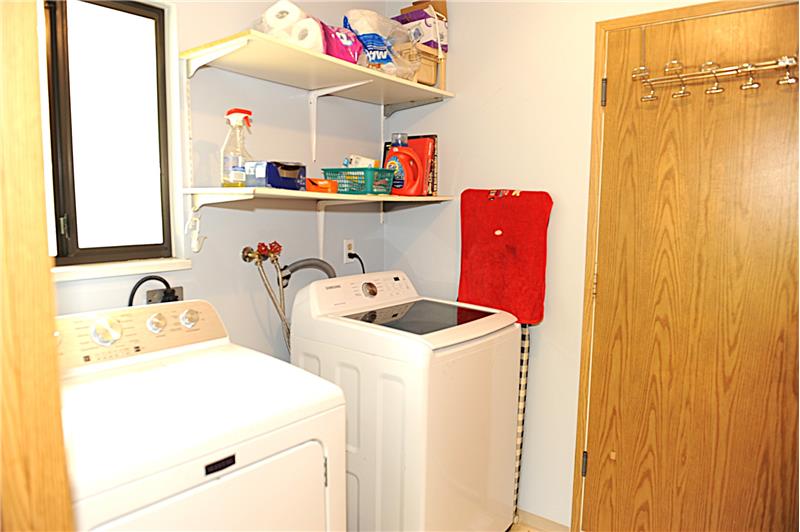
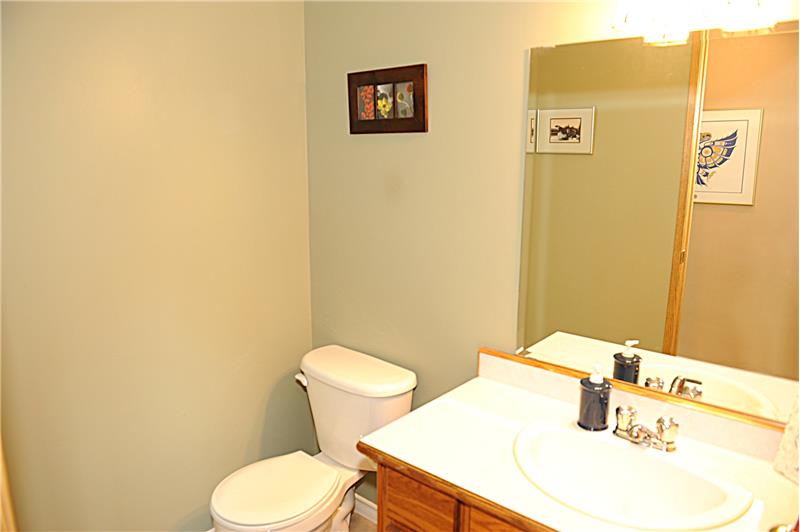
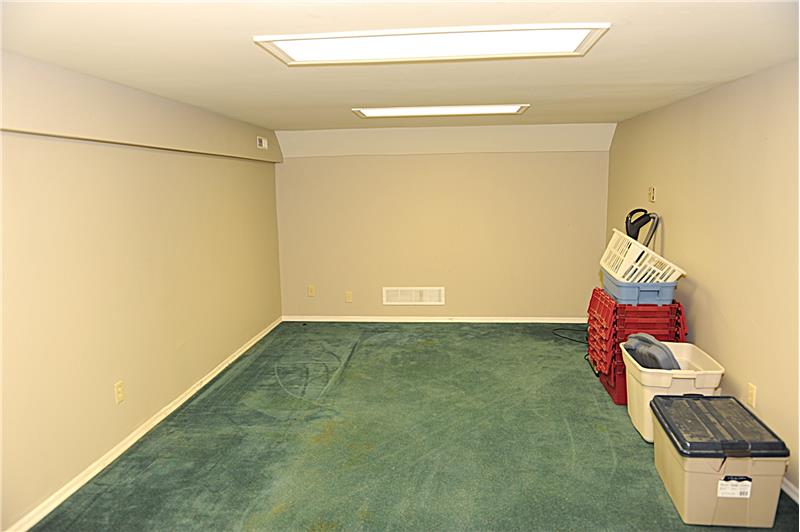
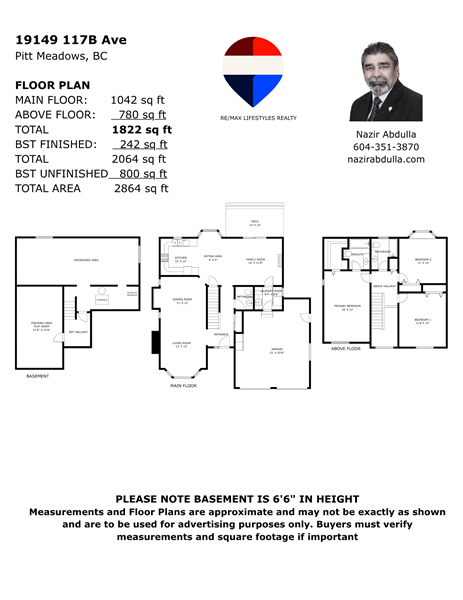
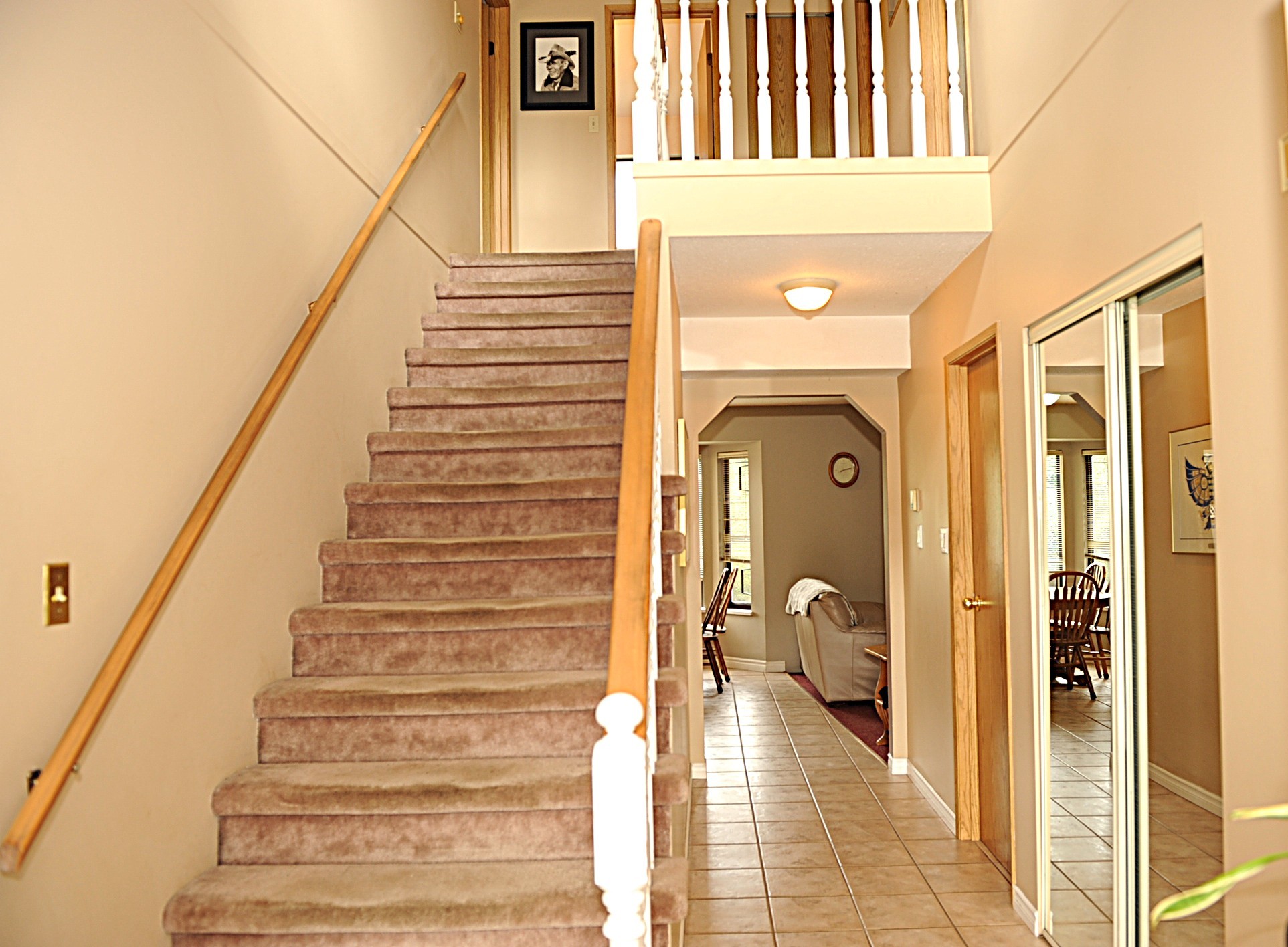
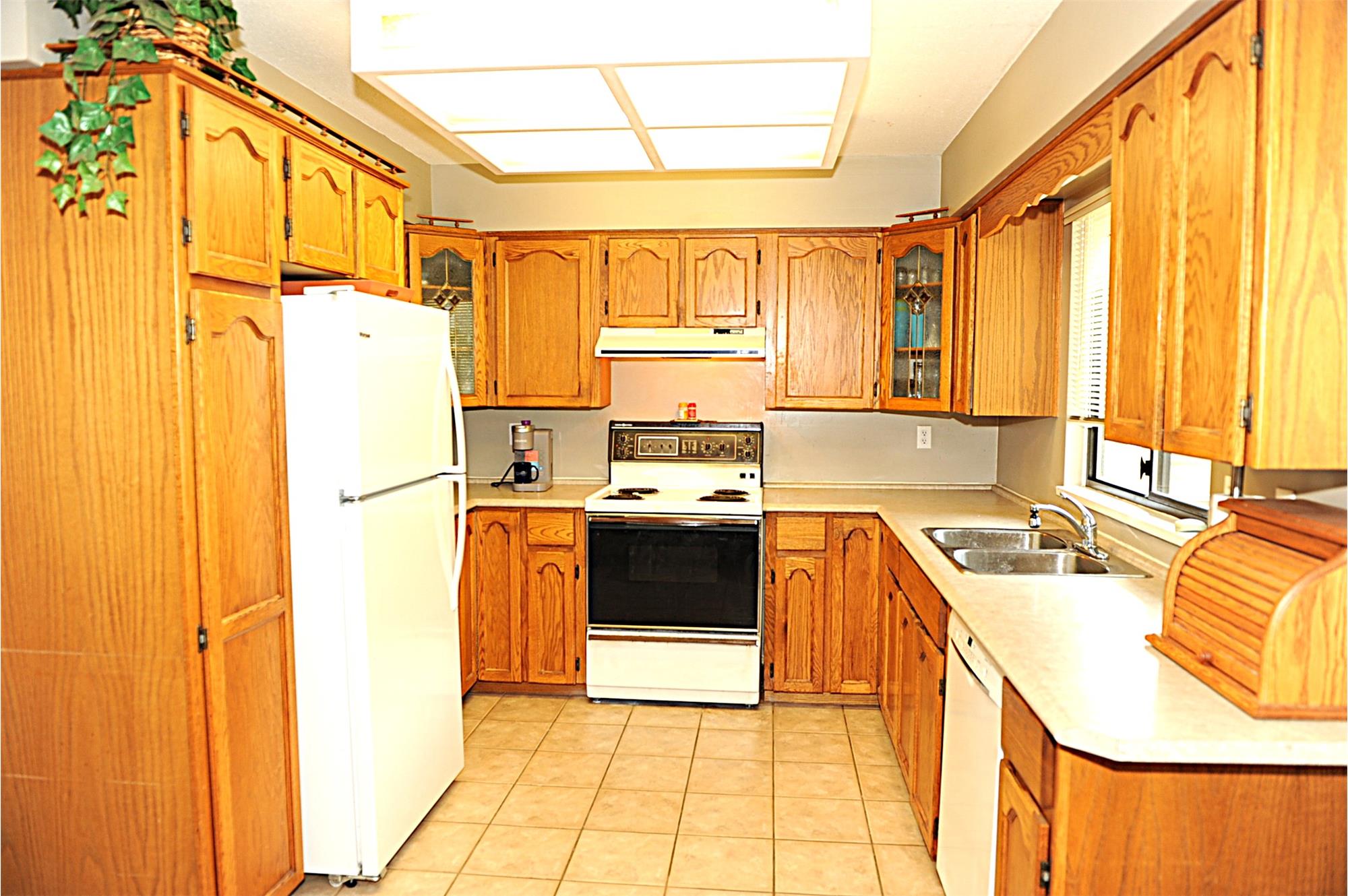
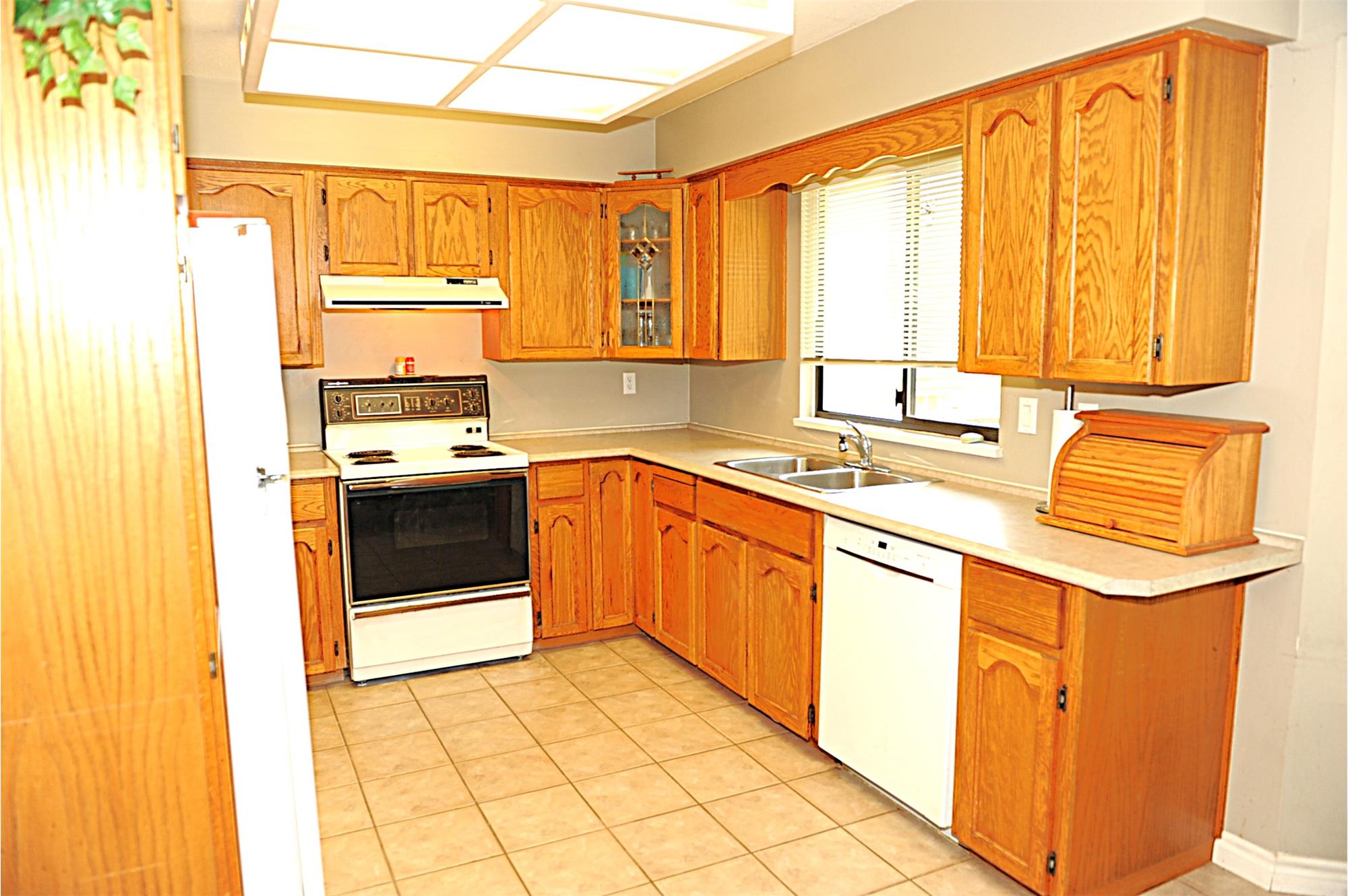
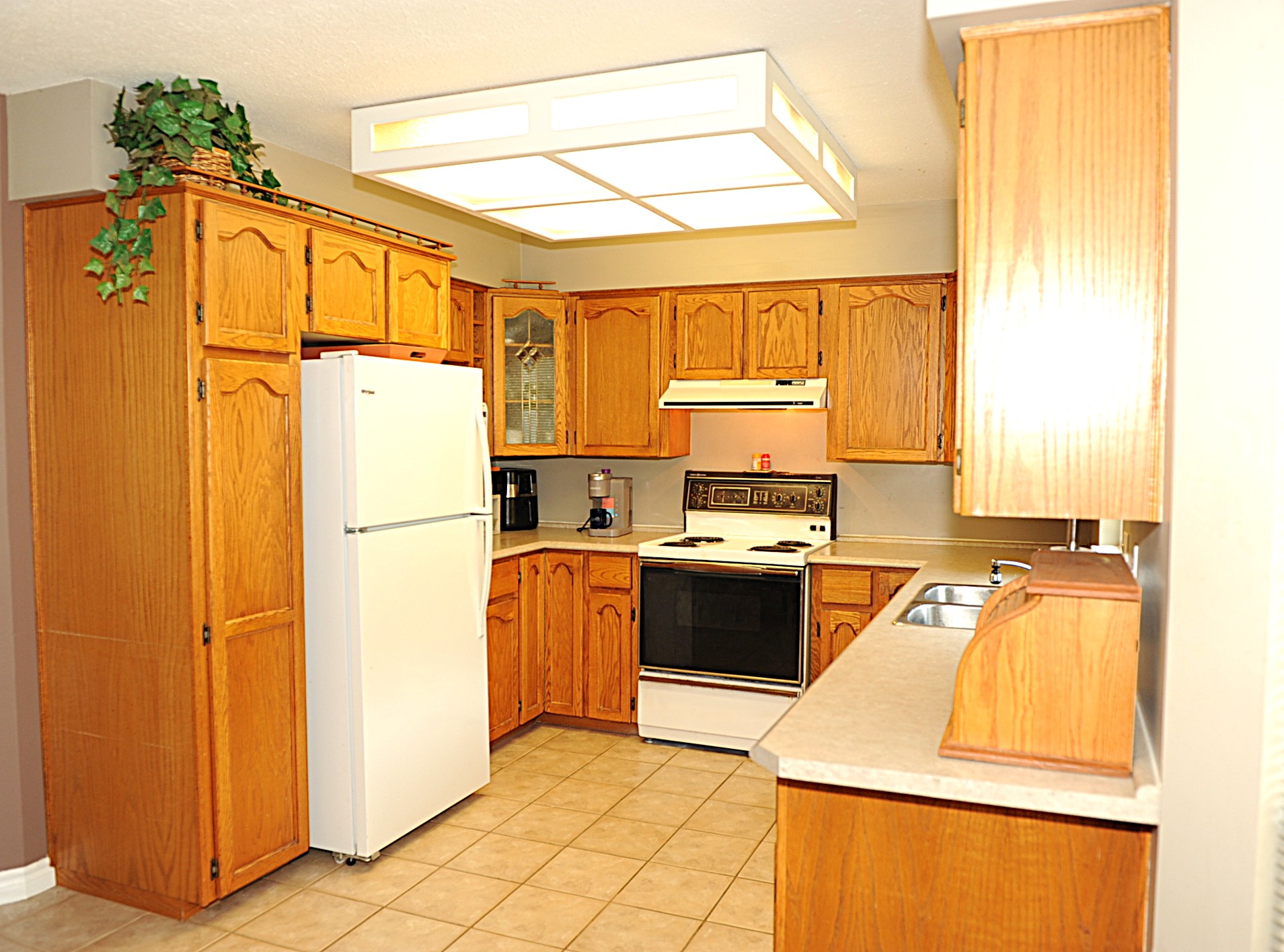
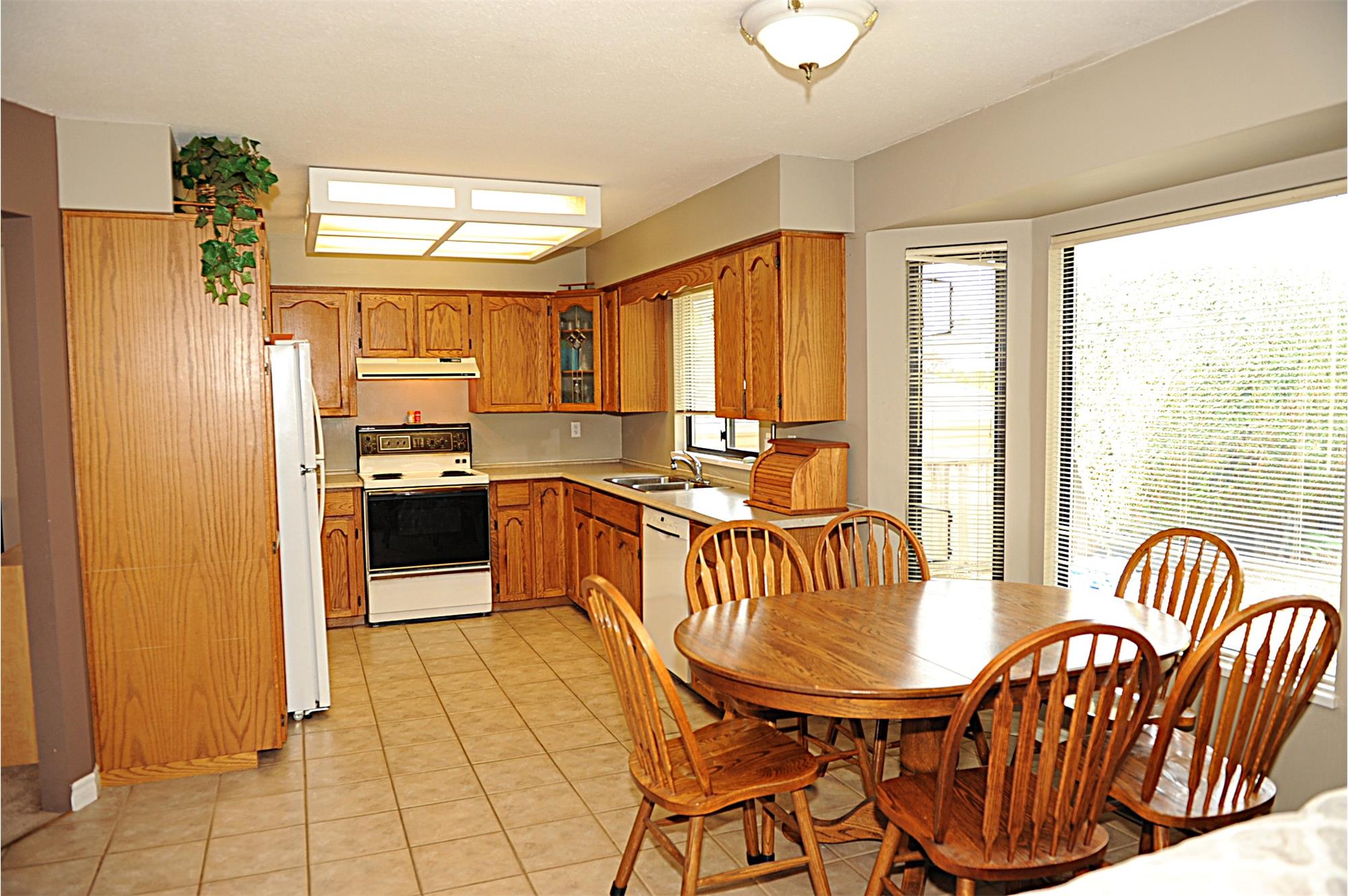
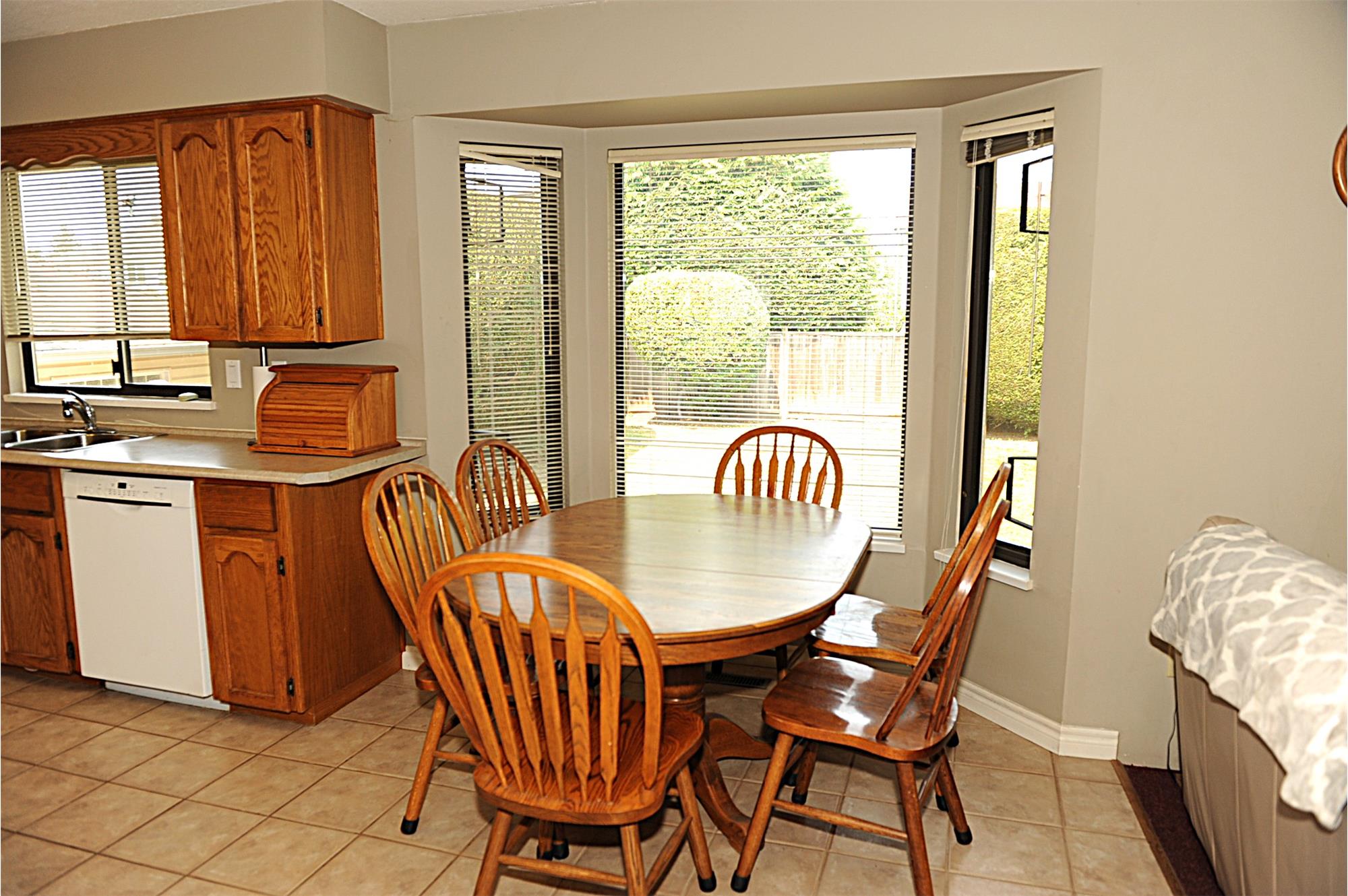
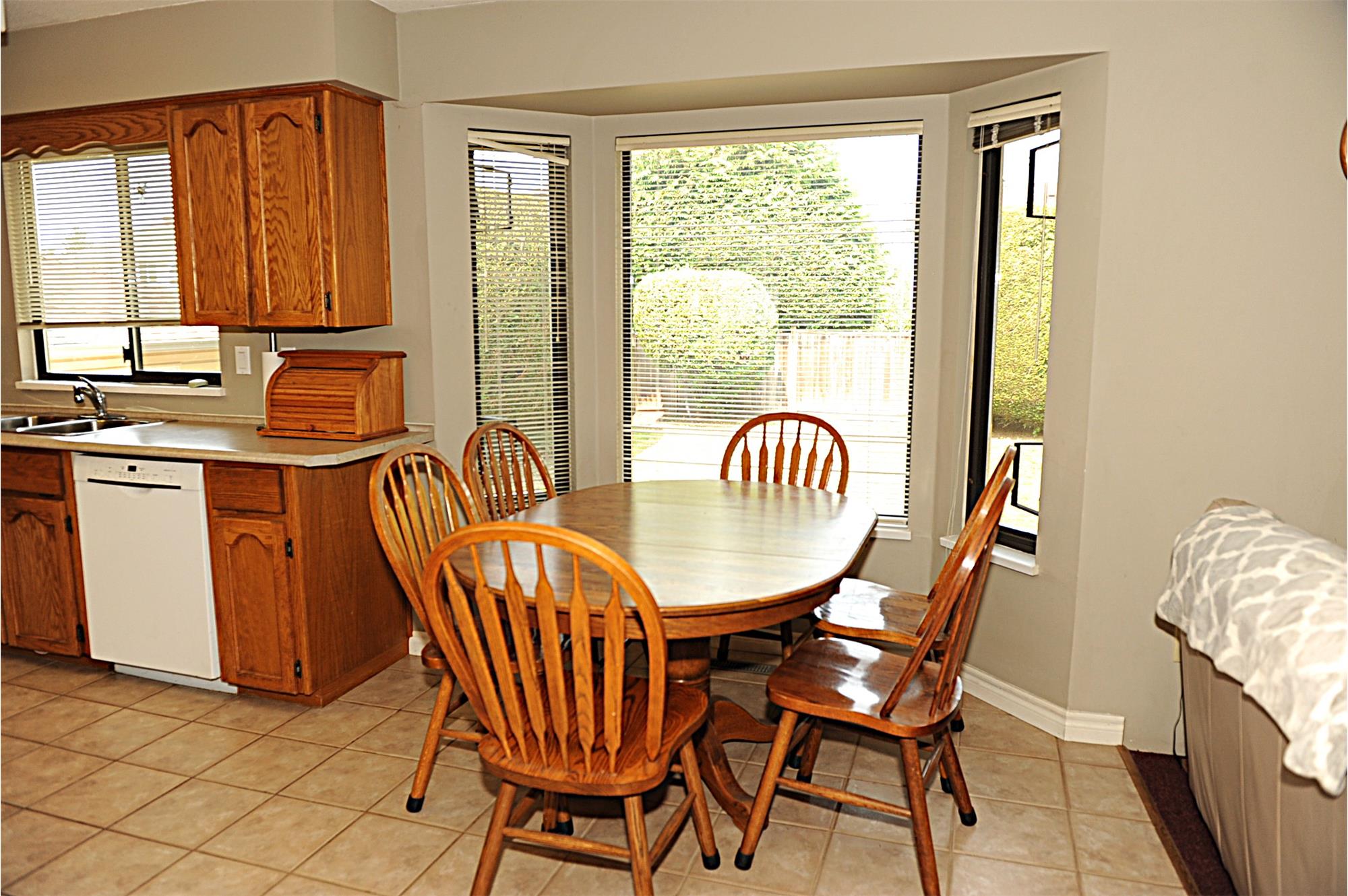
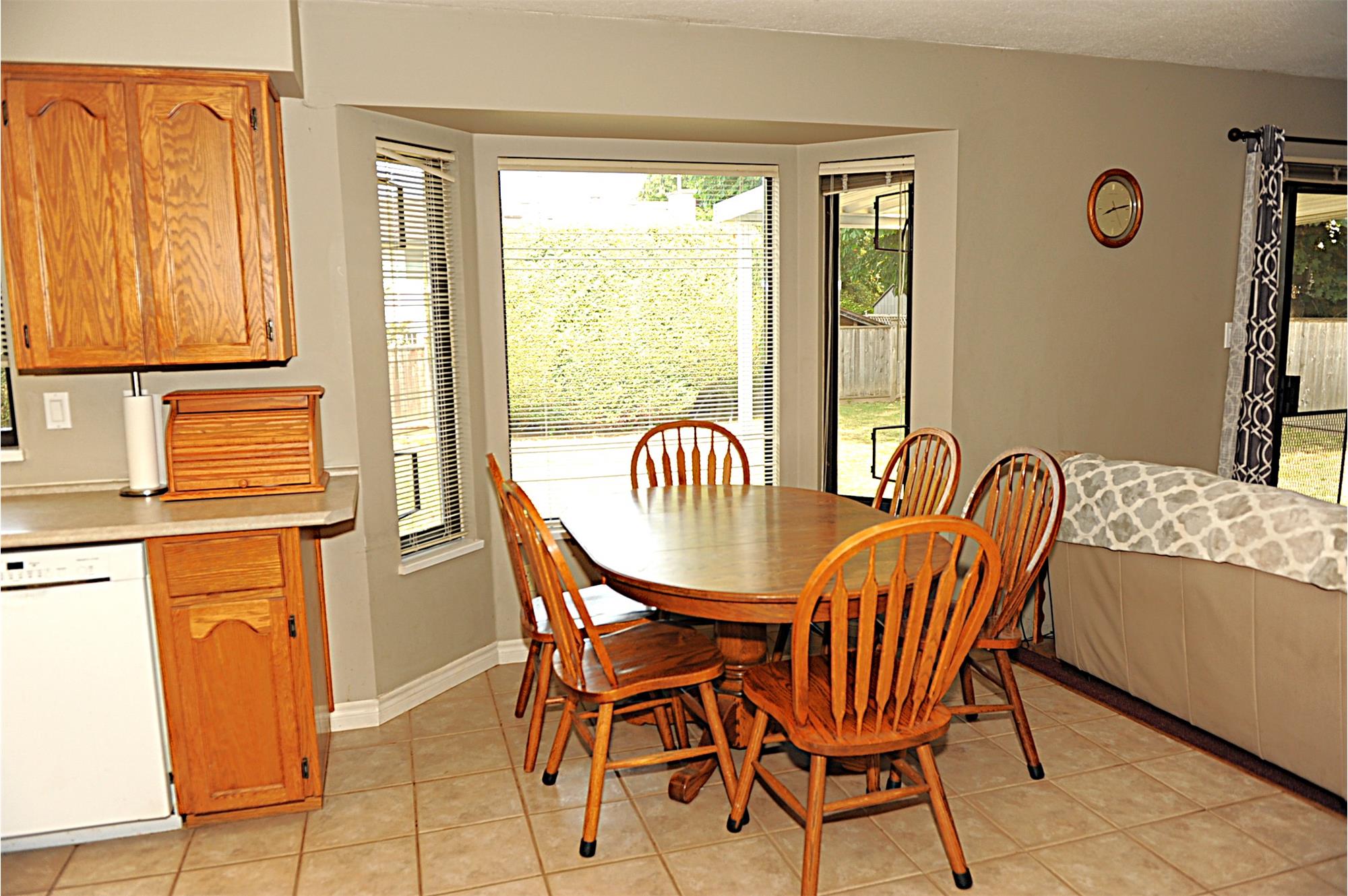
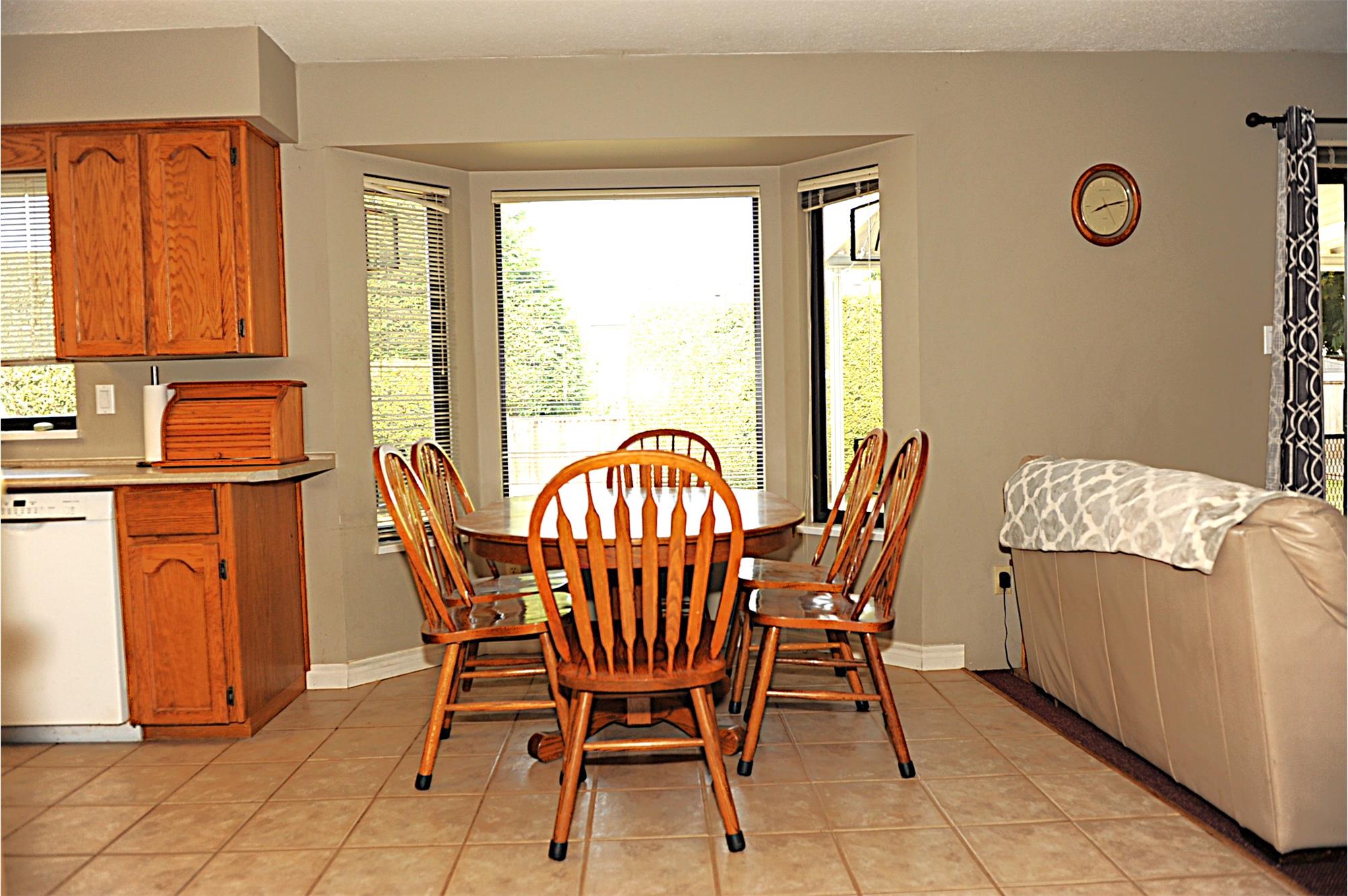
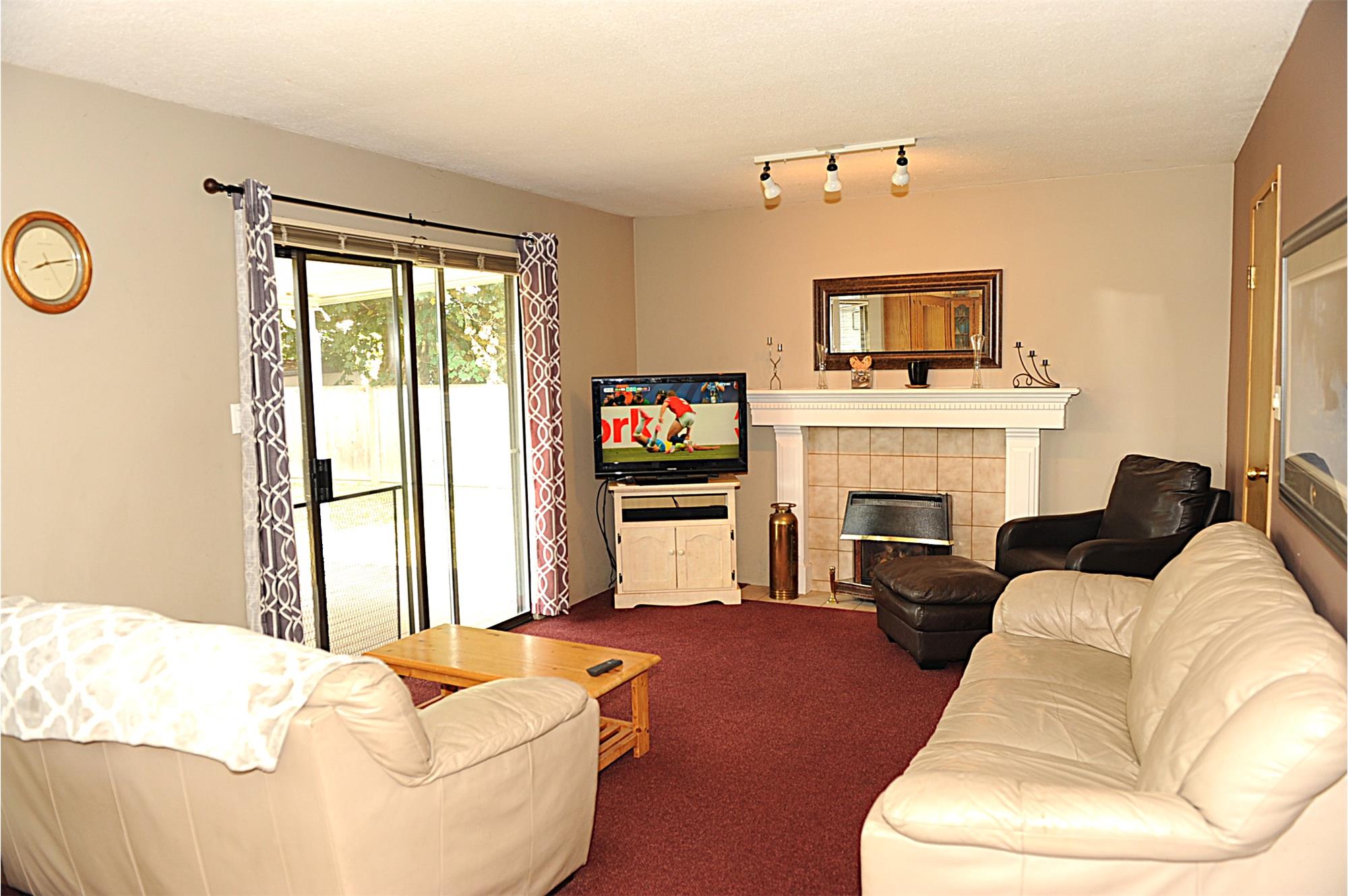
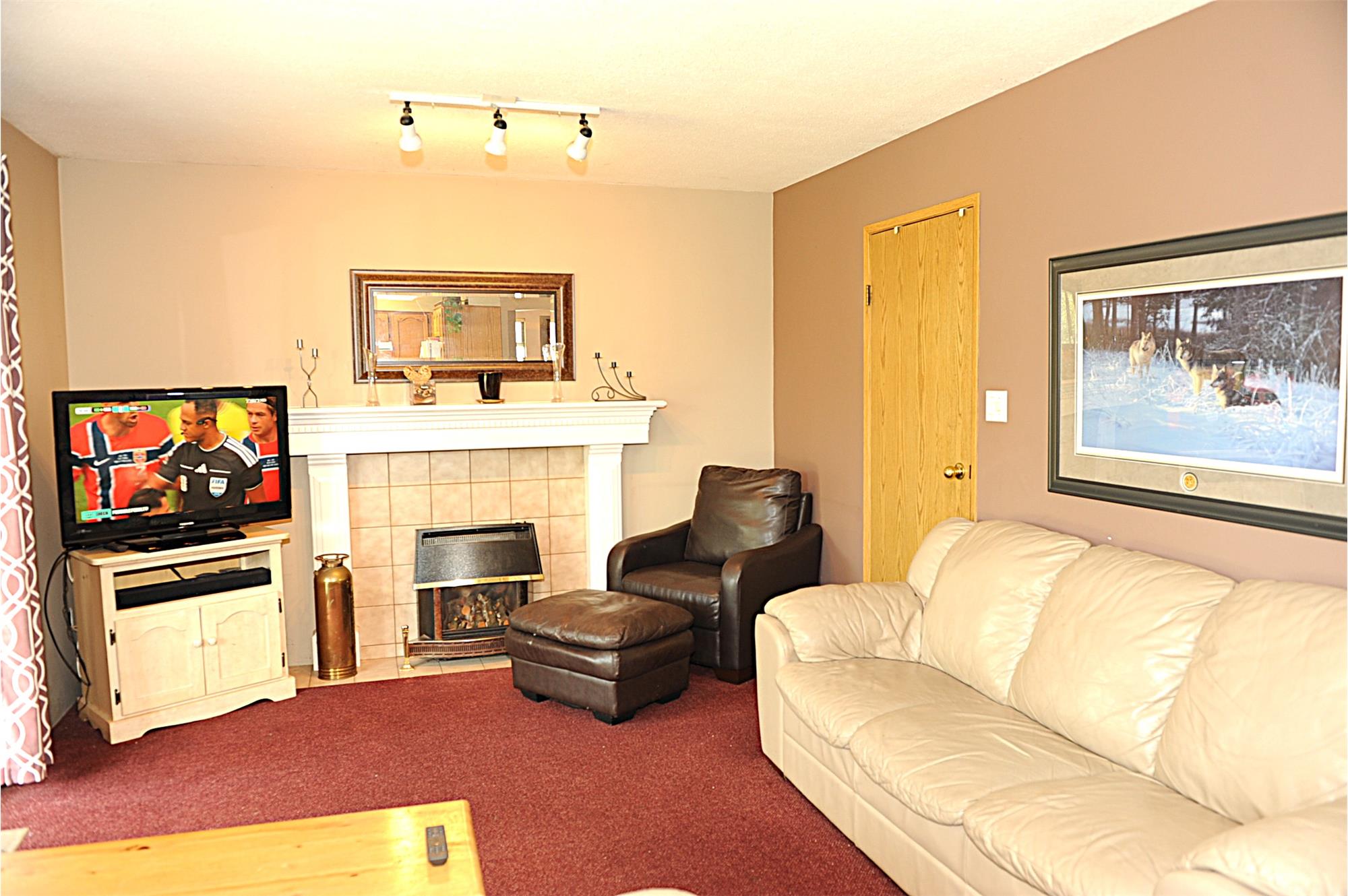
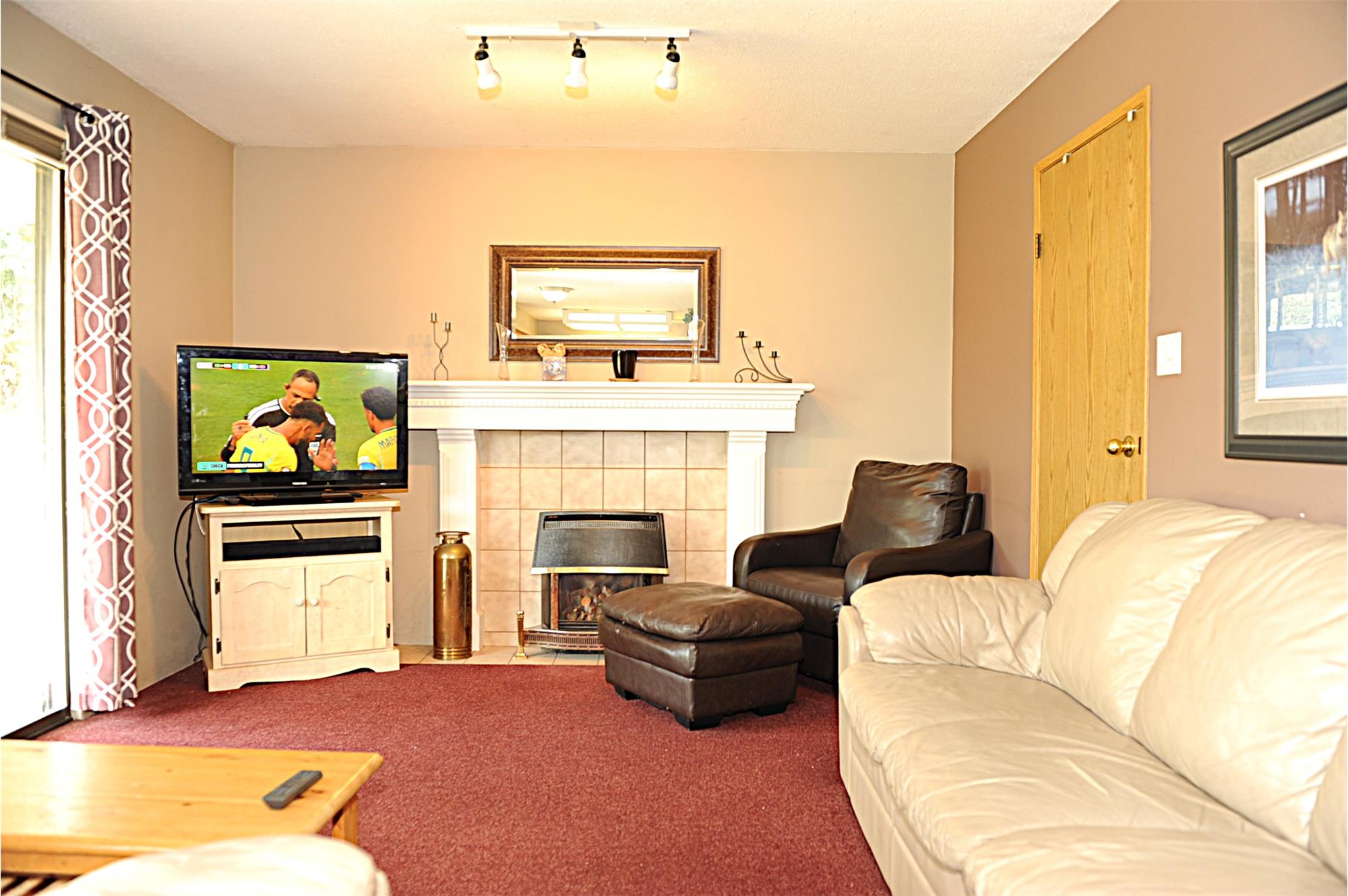
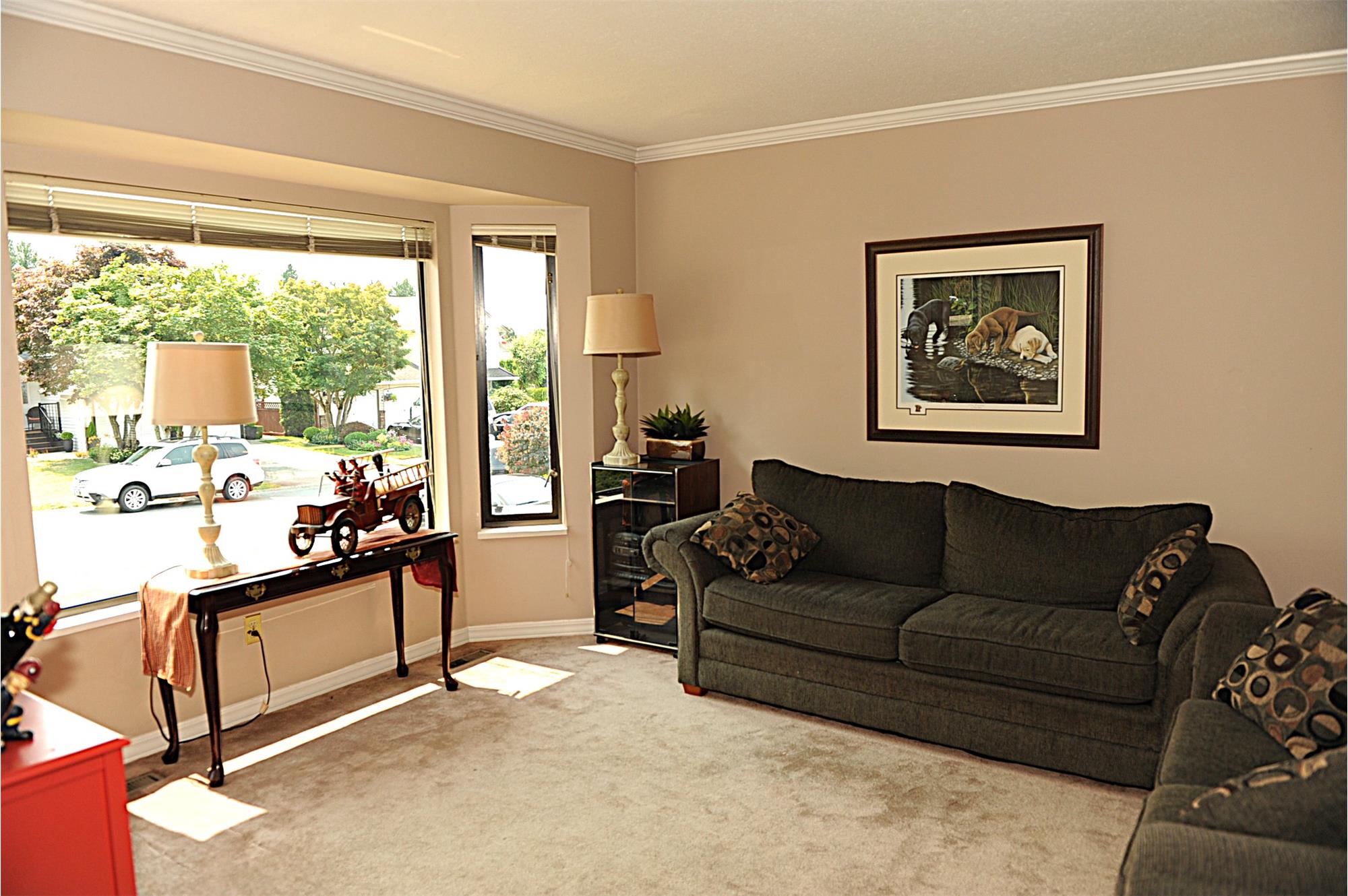
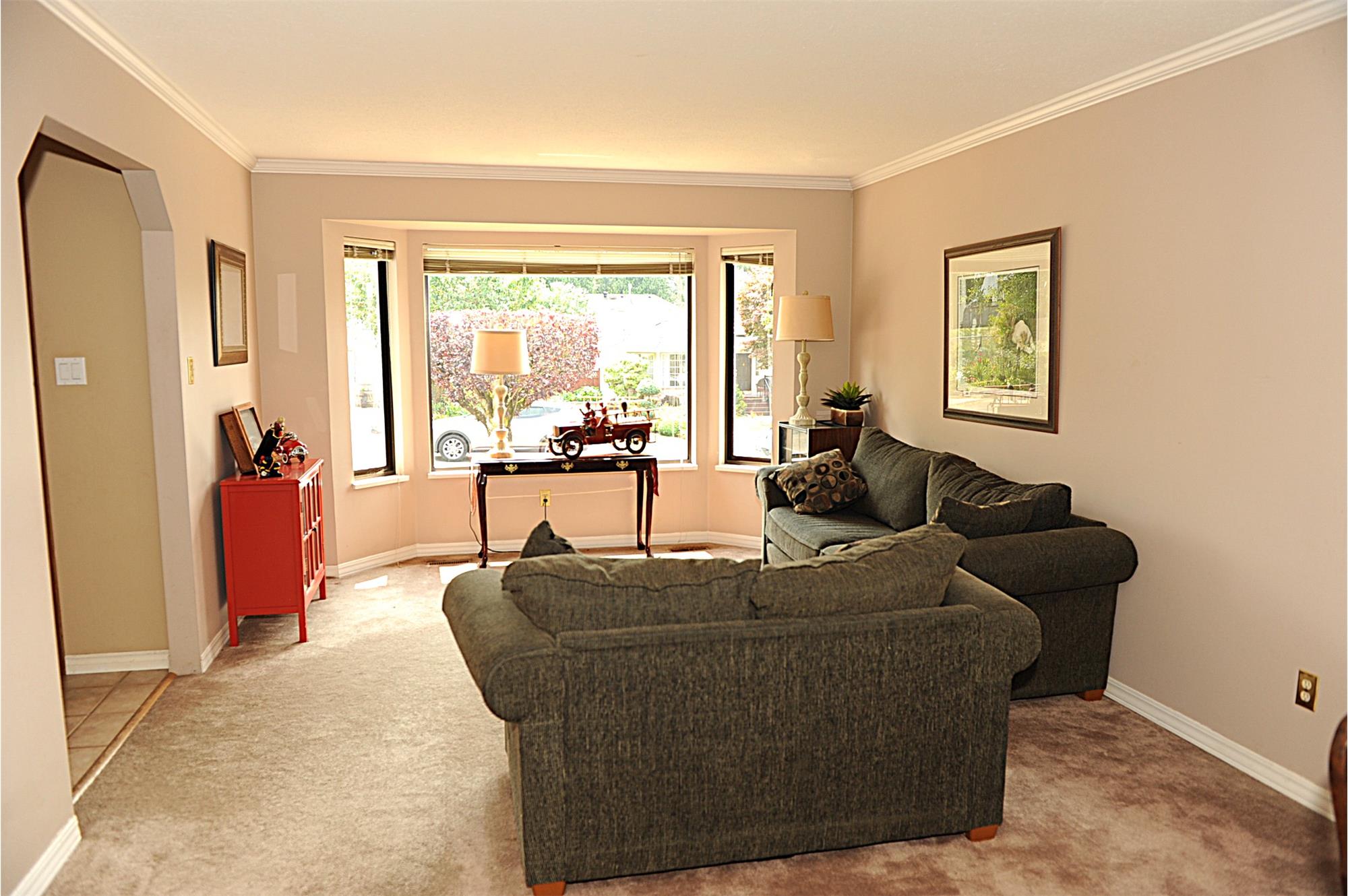
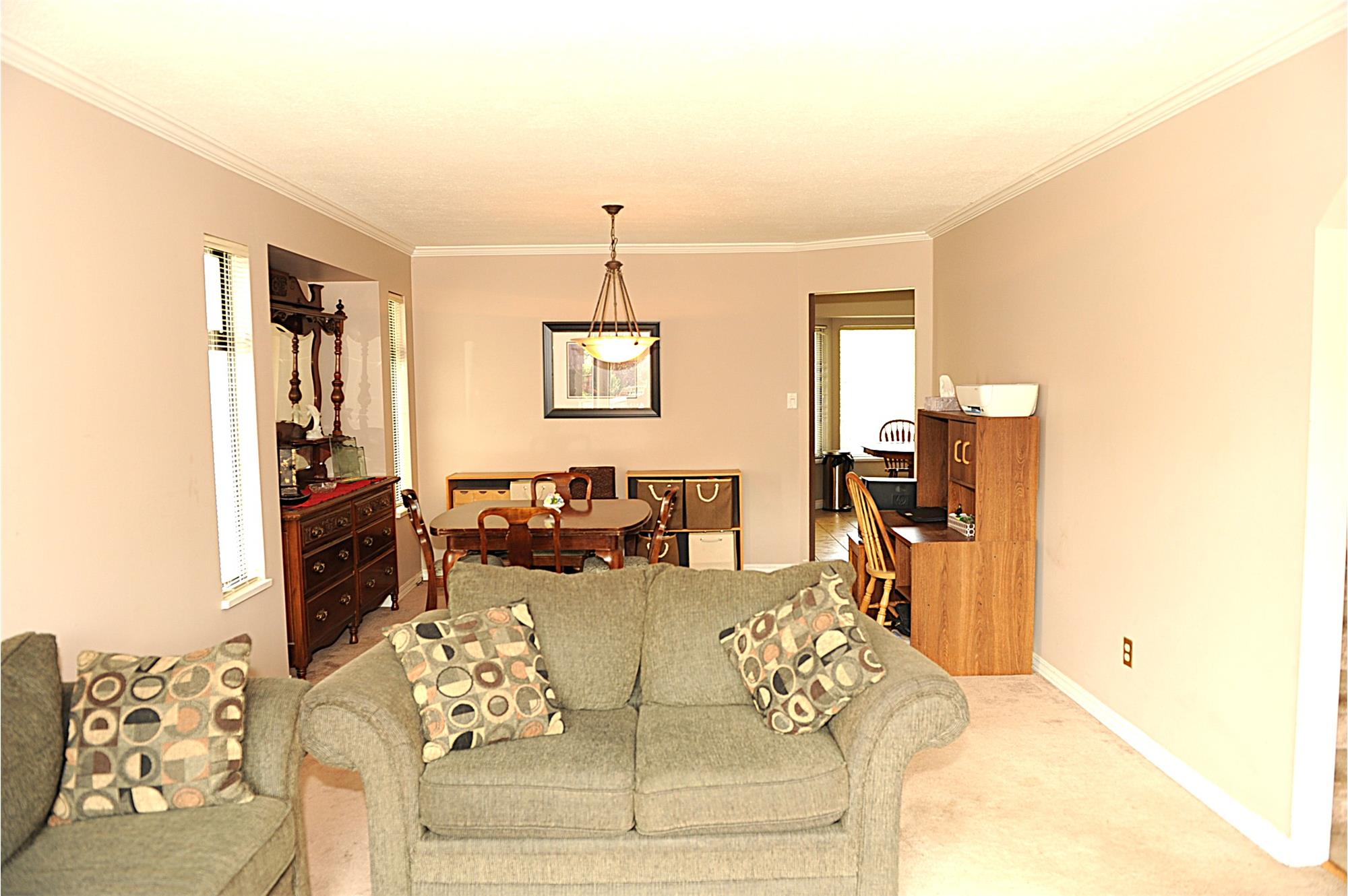
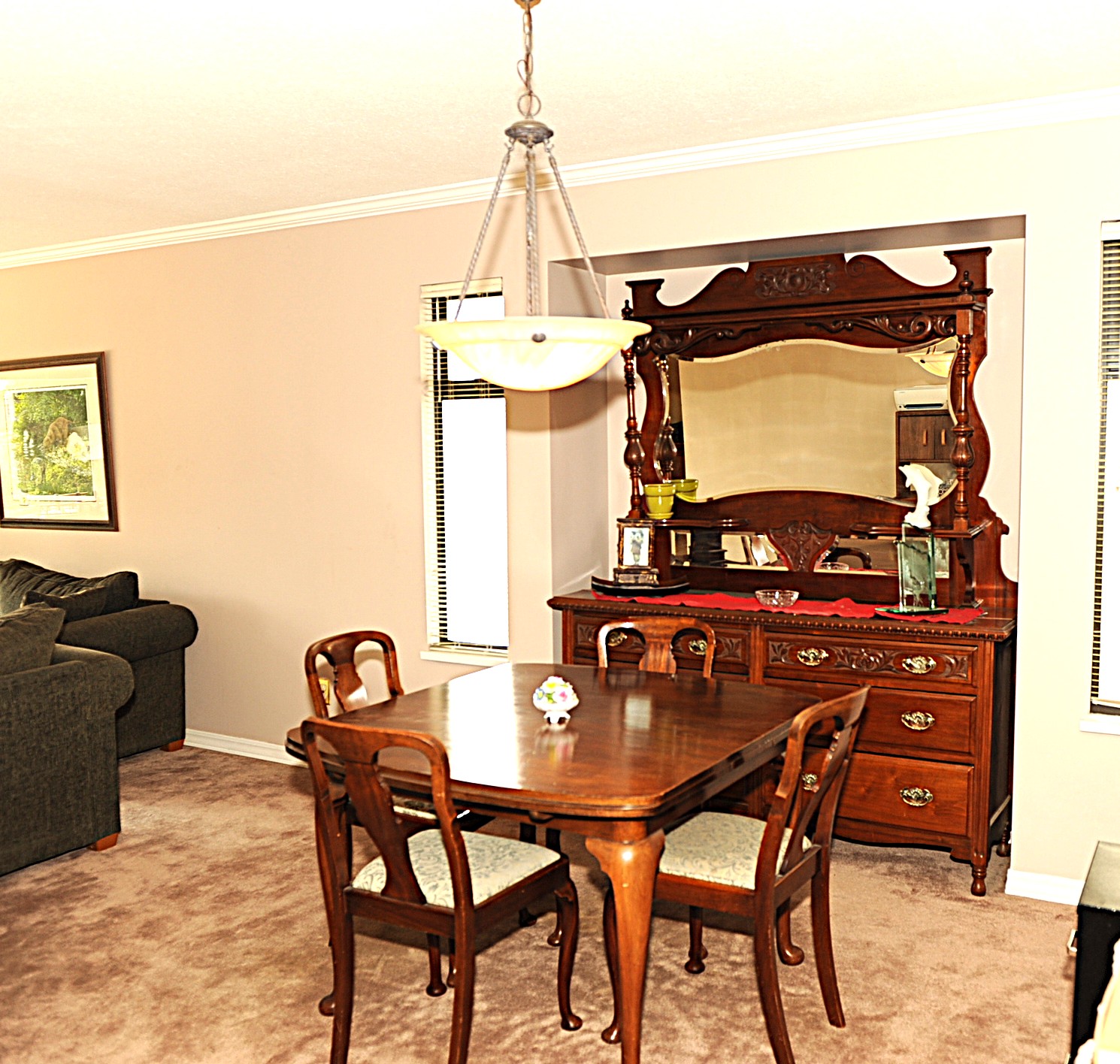
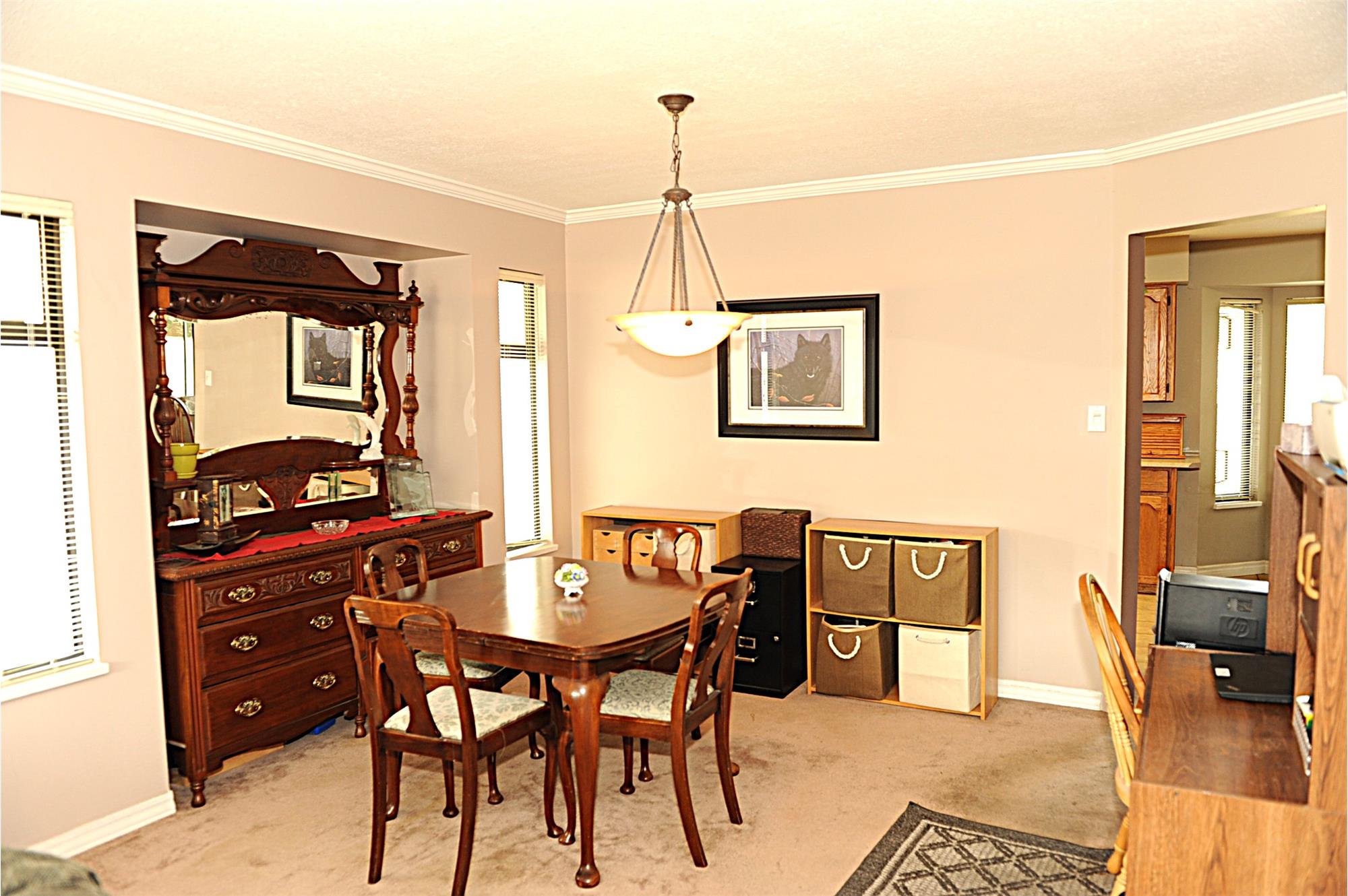
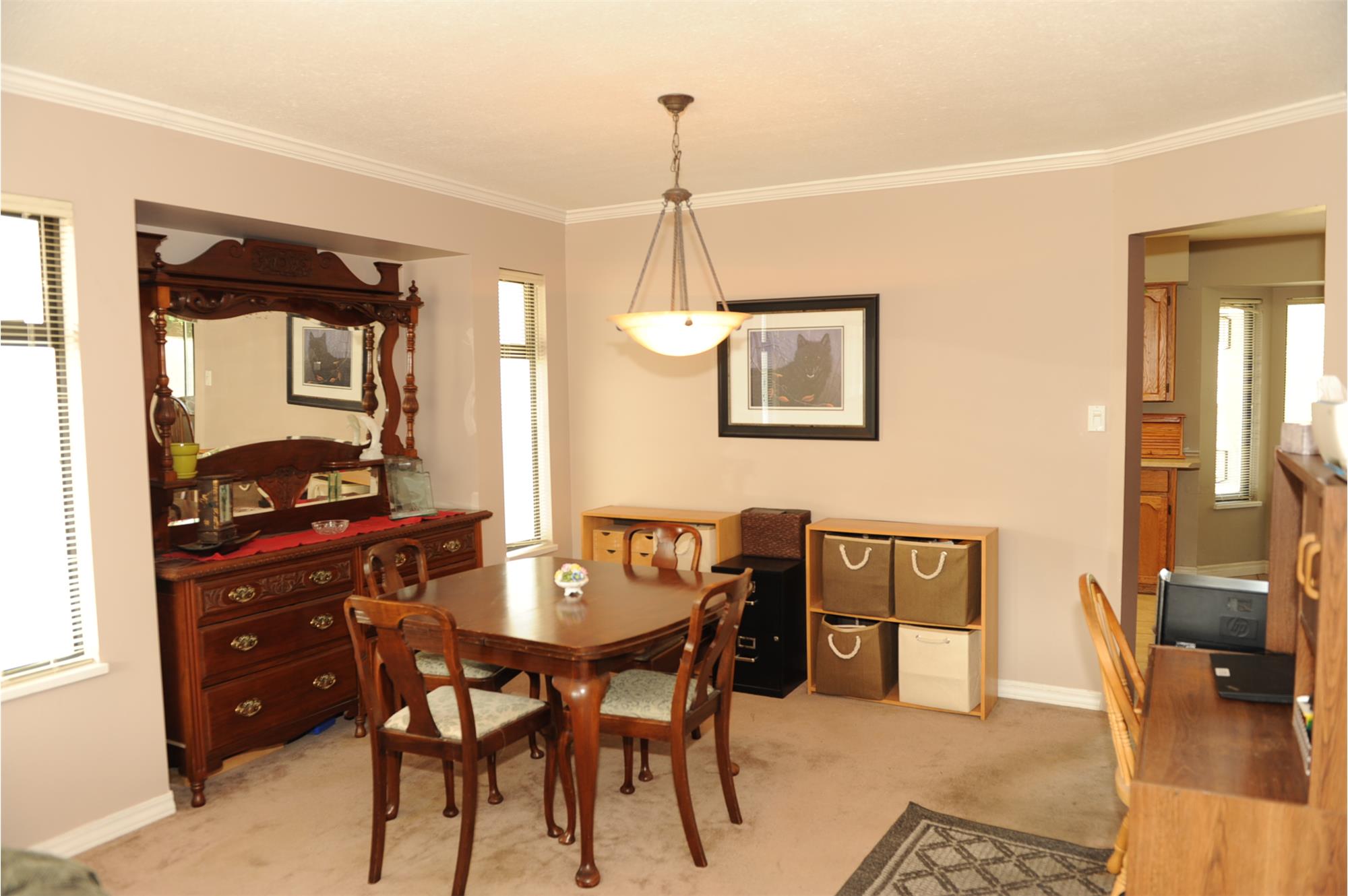
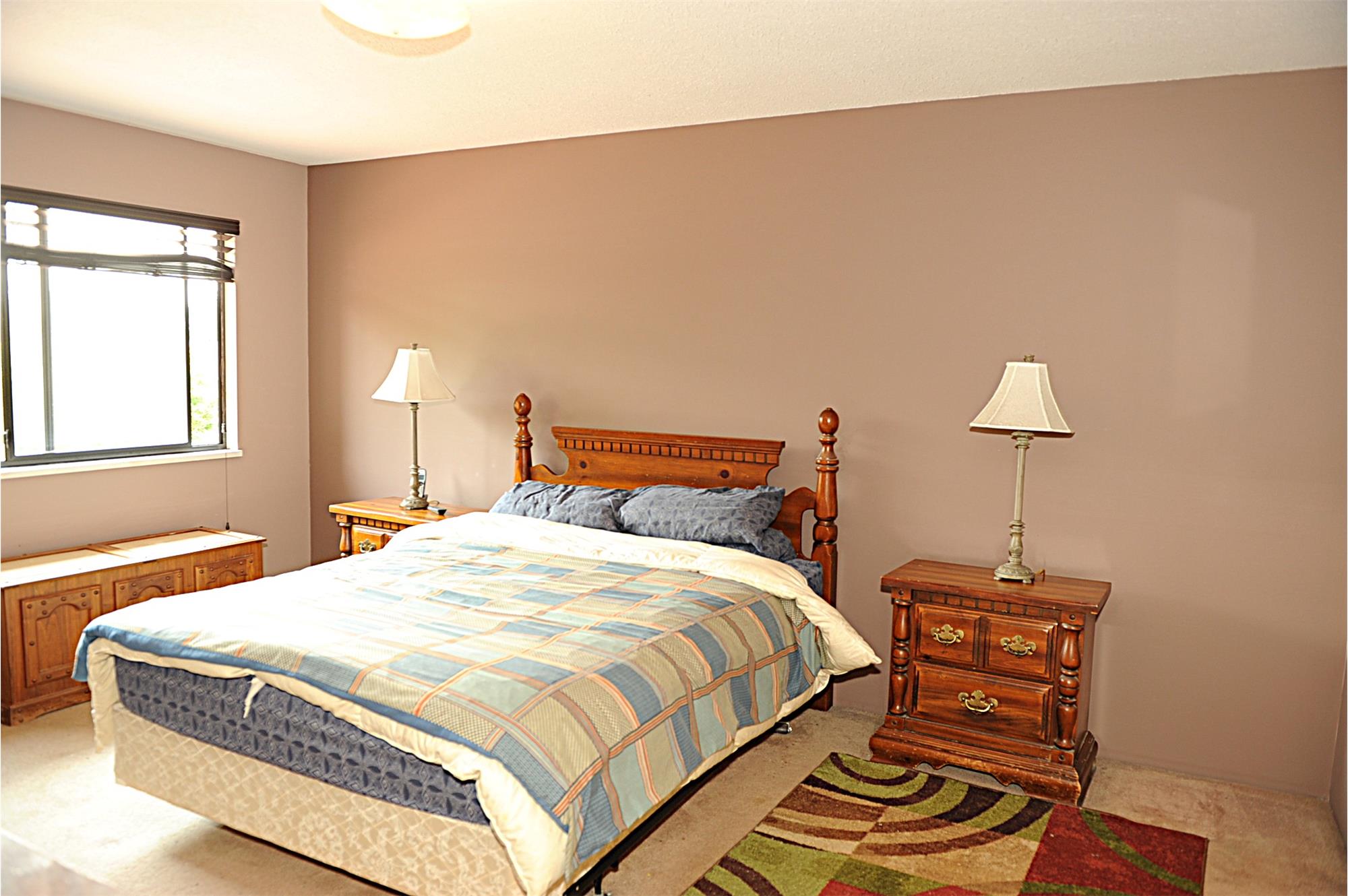
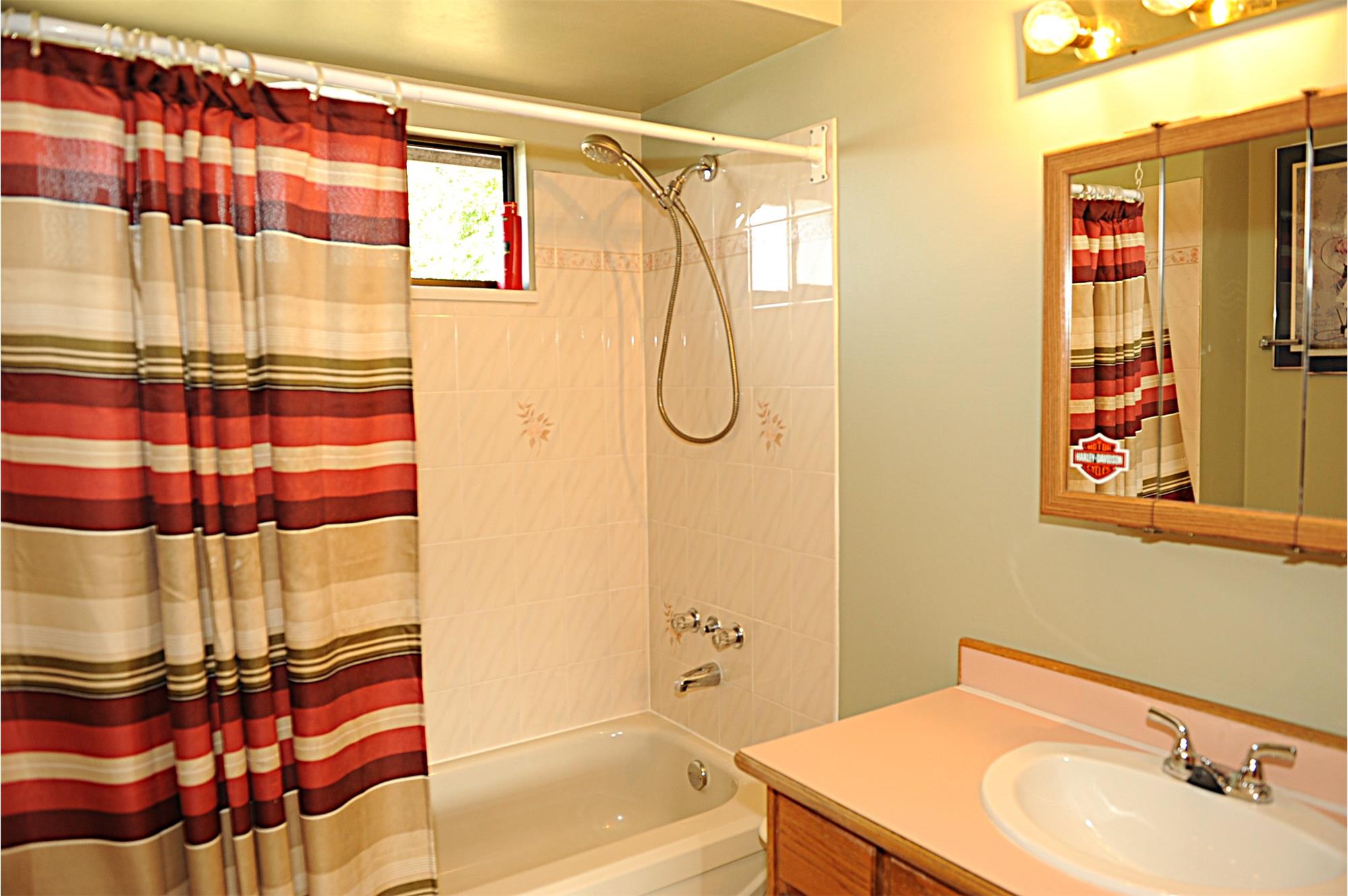
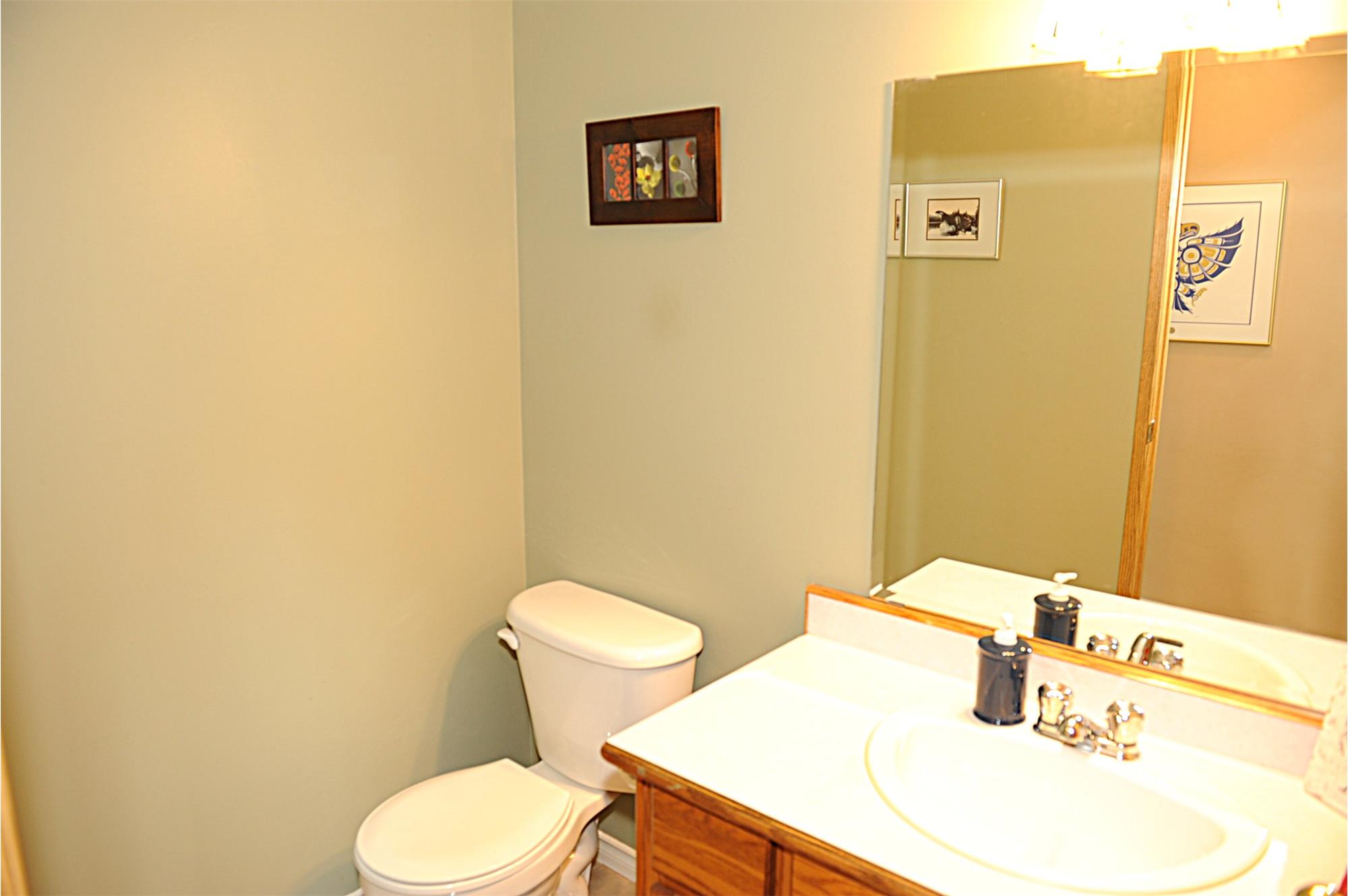
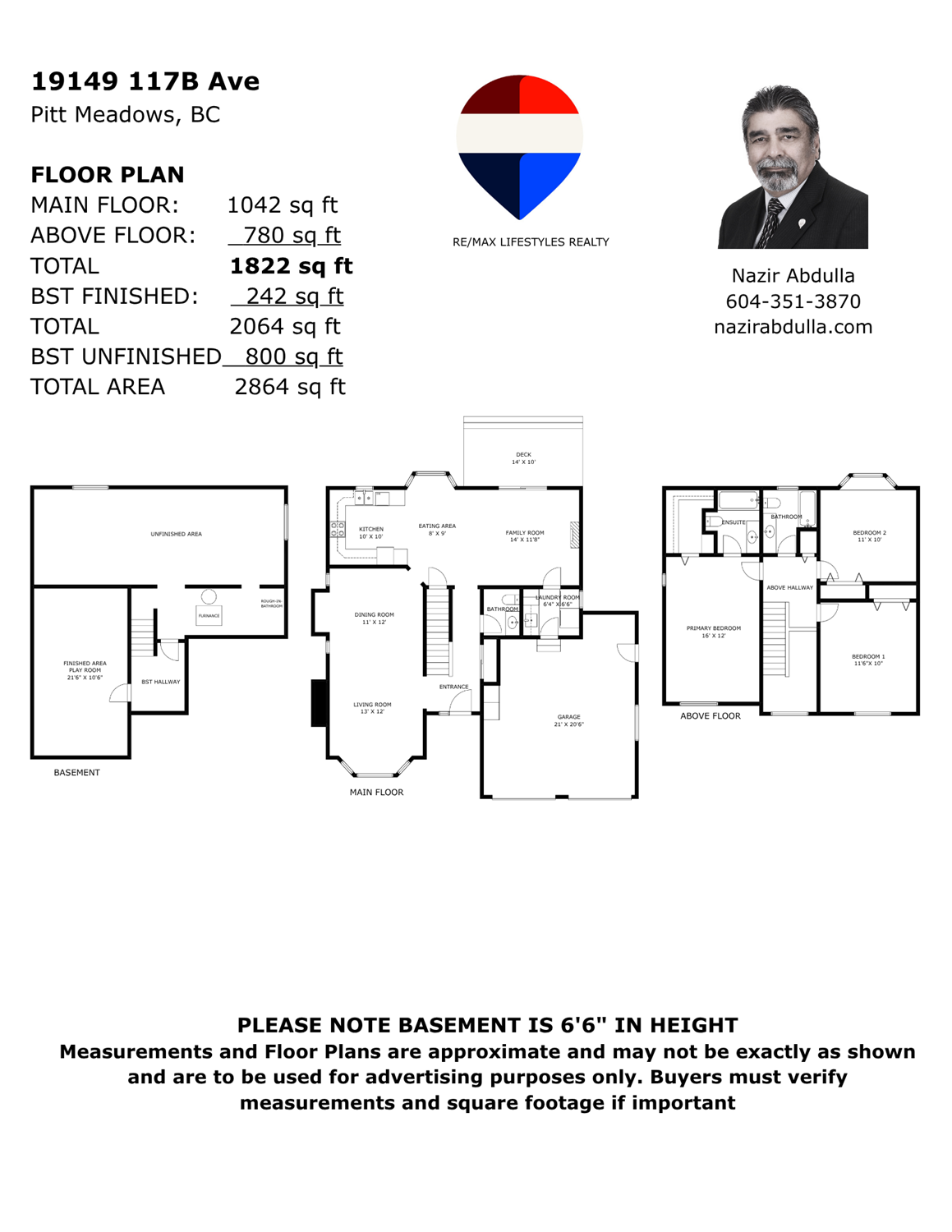
Designed for comfortable family living, this home features 3 bedrooms, 2.5 bathrooms, a bright and welcoming living room, and a spacious dining room with room for a hutch. The kitchen offers timeless oak cabinetry, a cozy eating area, and flows seamlessly into the inviting family room, complete with a warm gas fireplace.
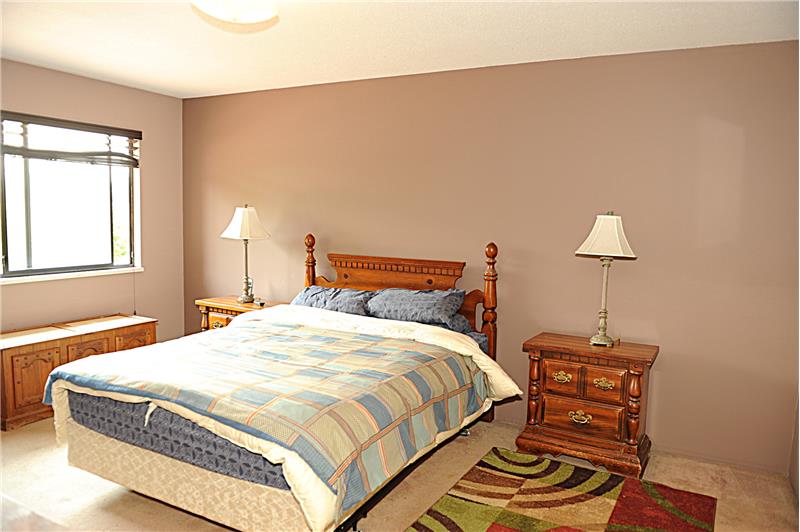
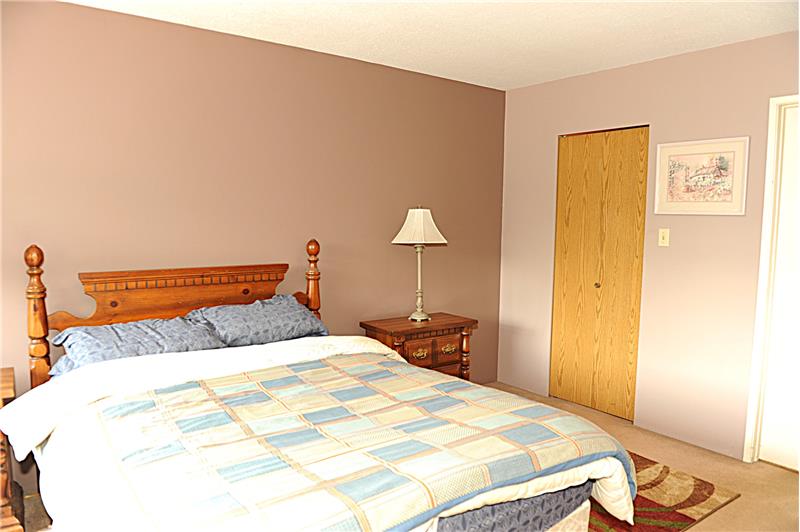
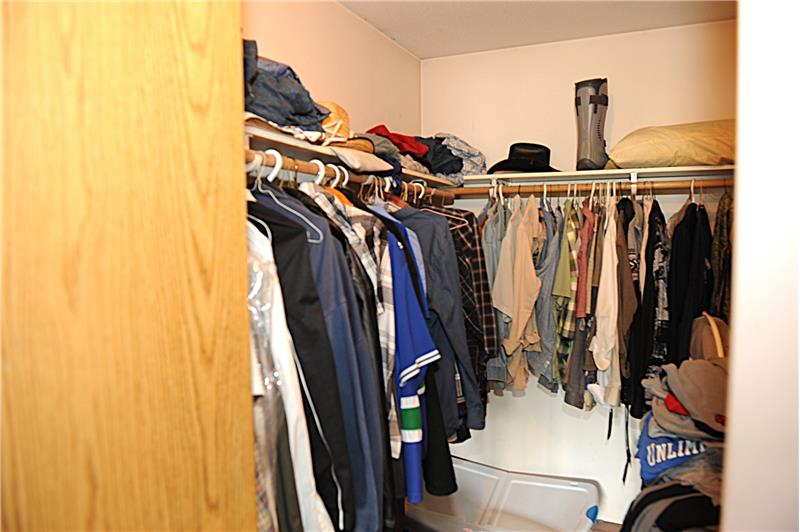
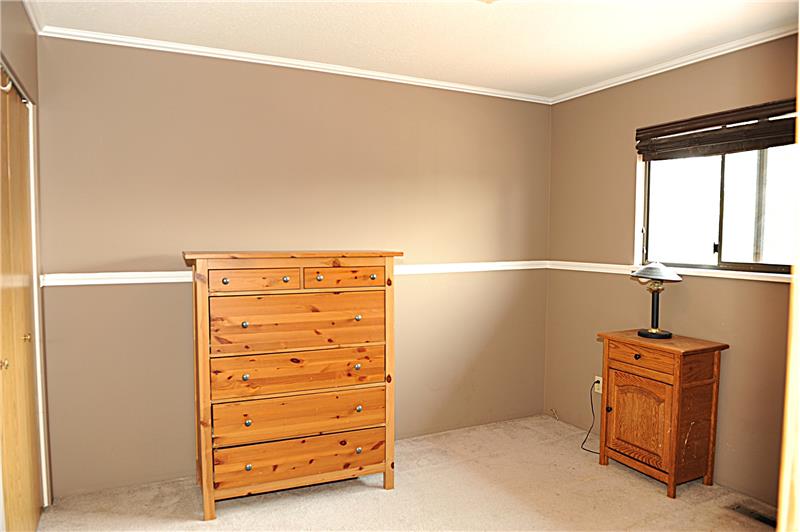
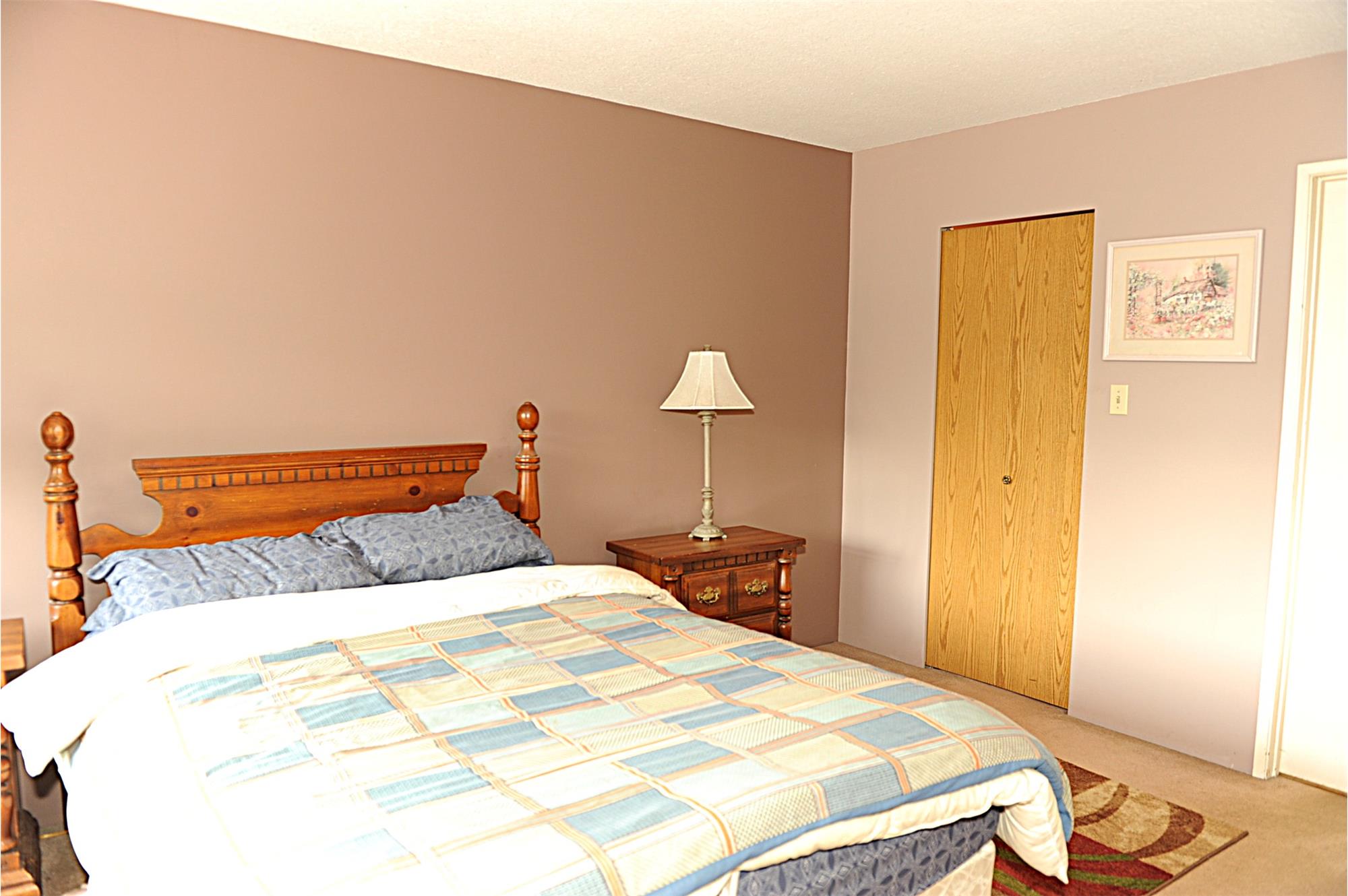
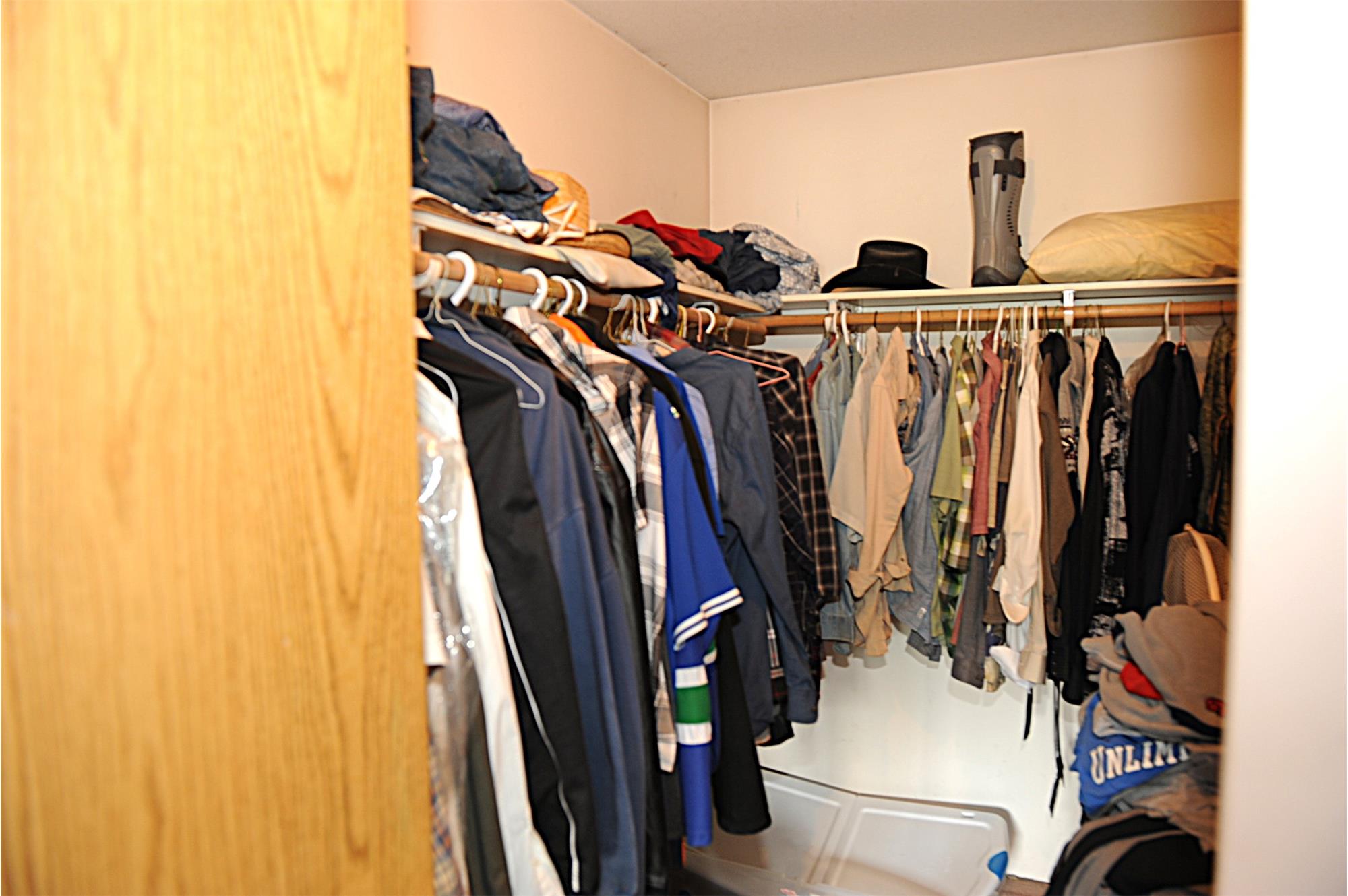
Upstairs, the generous primary bedroom includes a walk-in closet, providing plenty of storage and comfort and an ensuite.
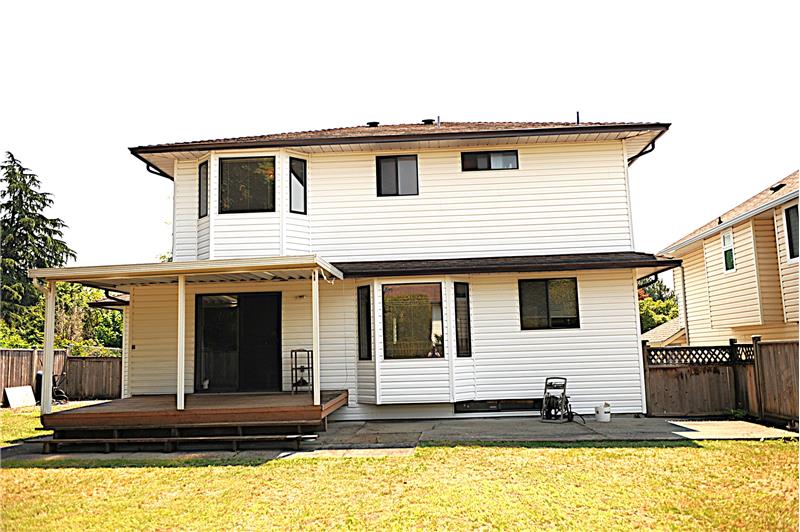
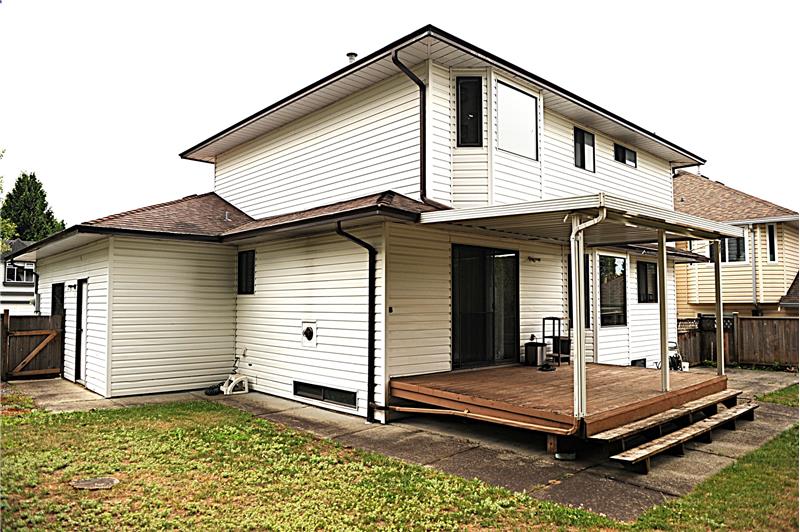
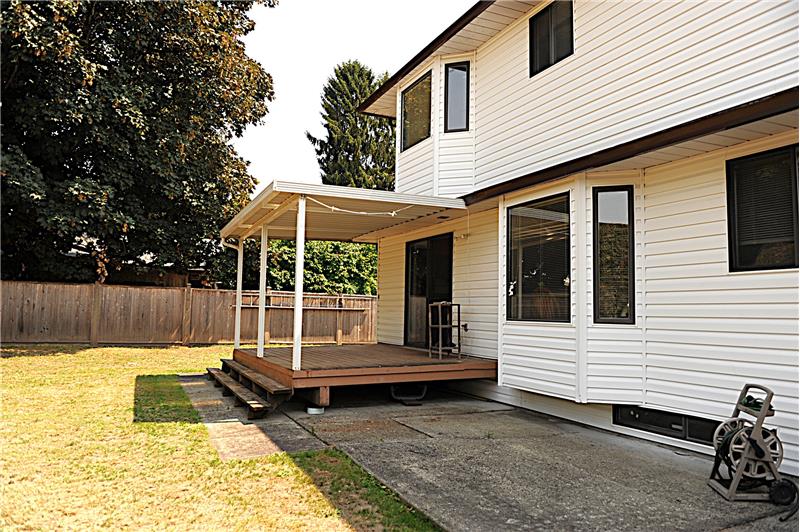
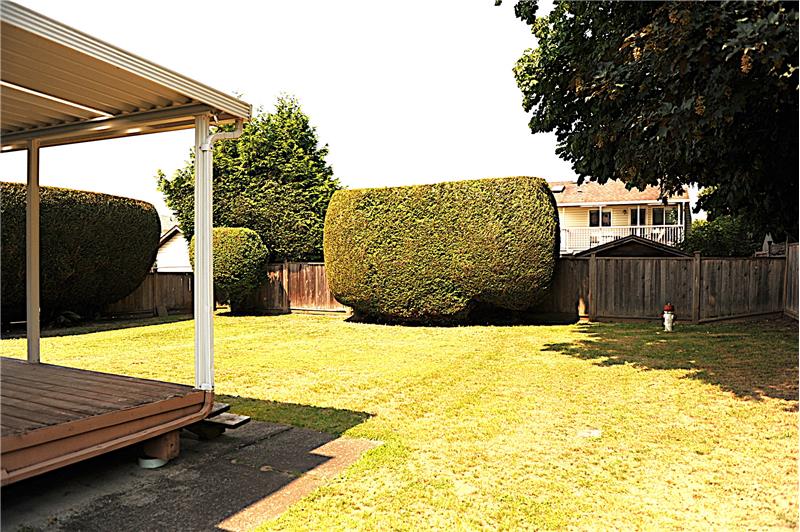
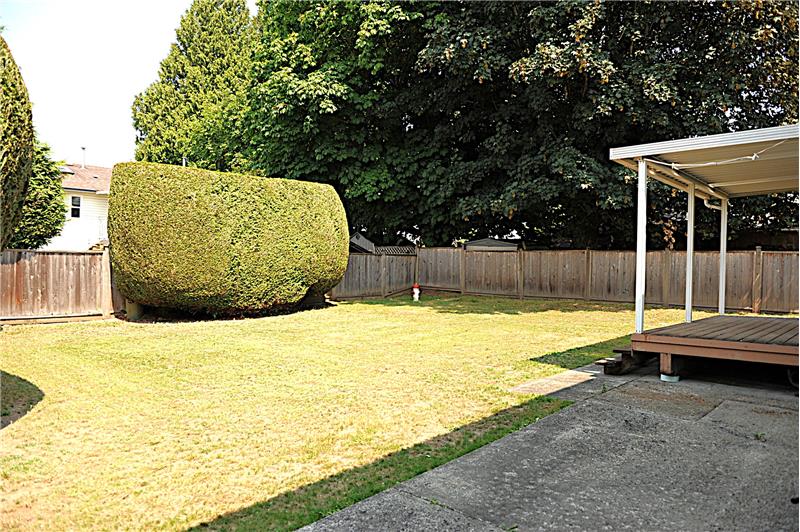
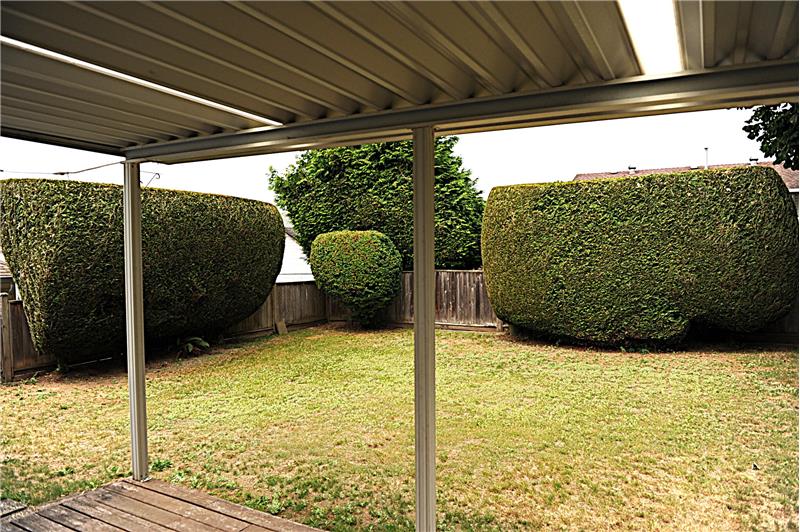
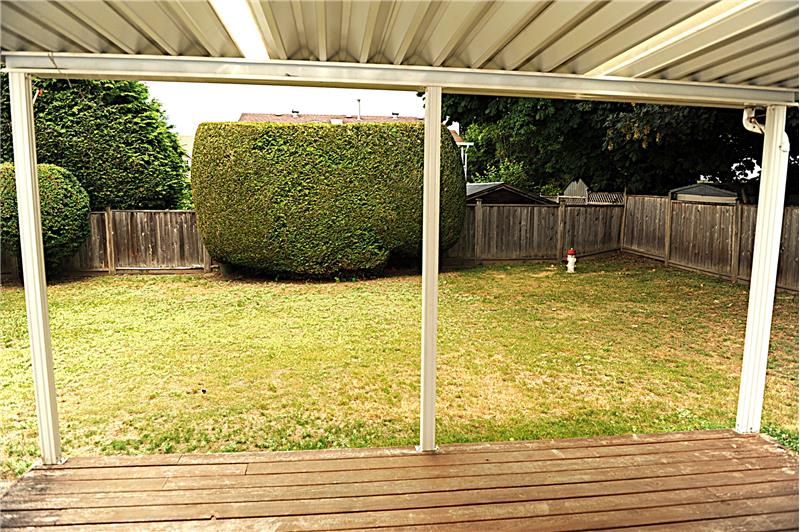
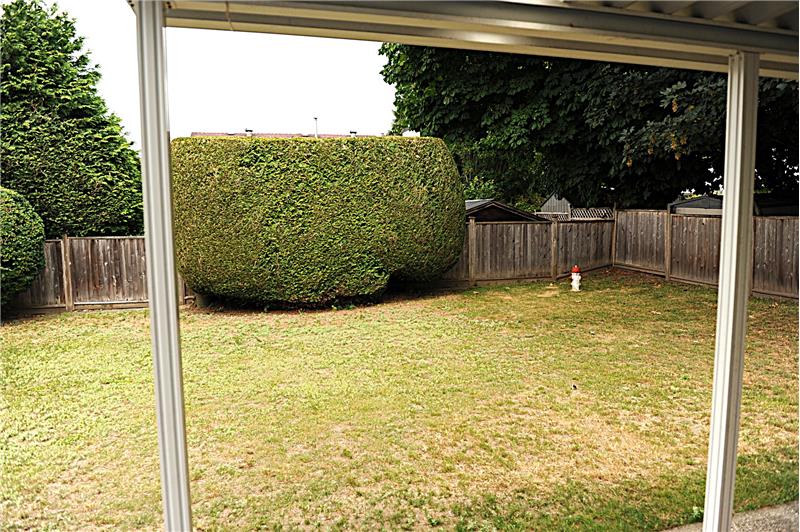
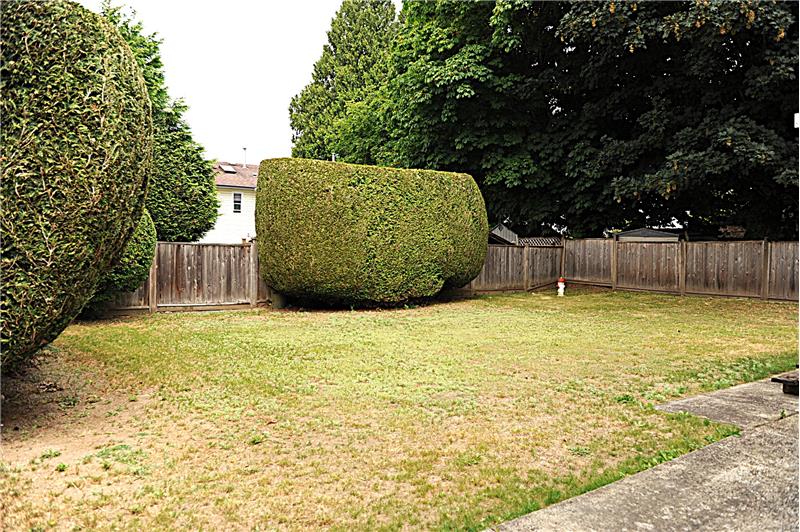
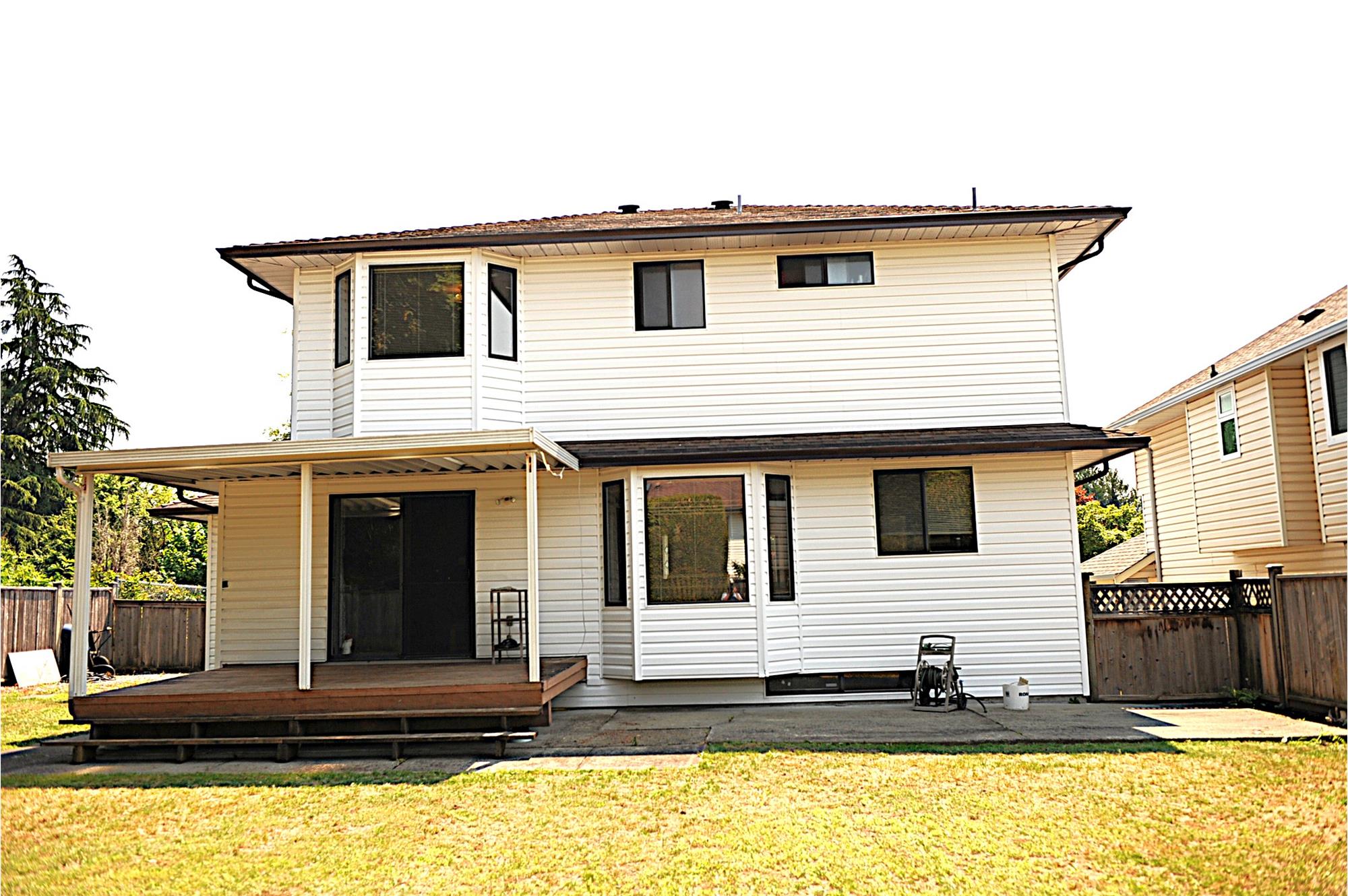
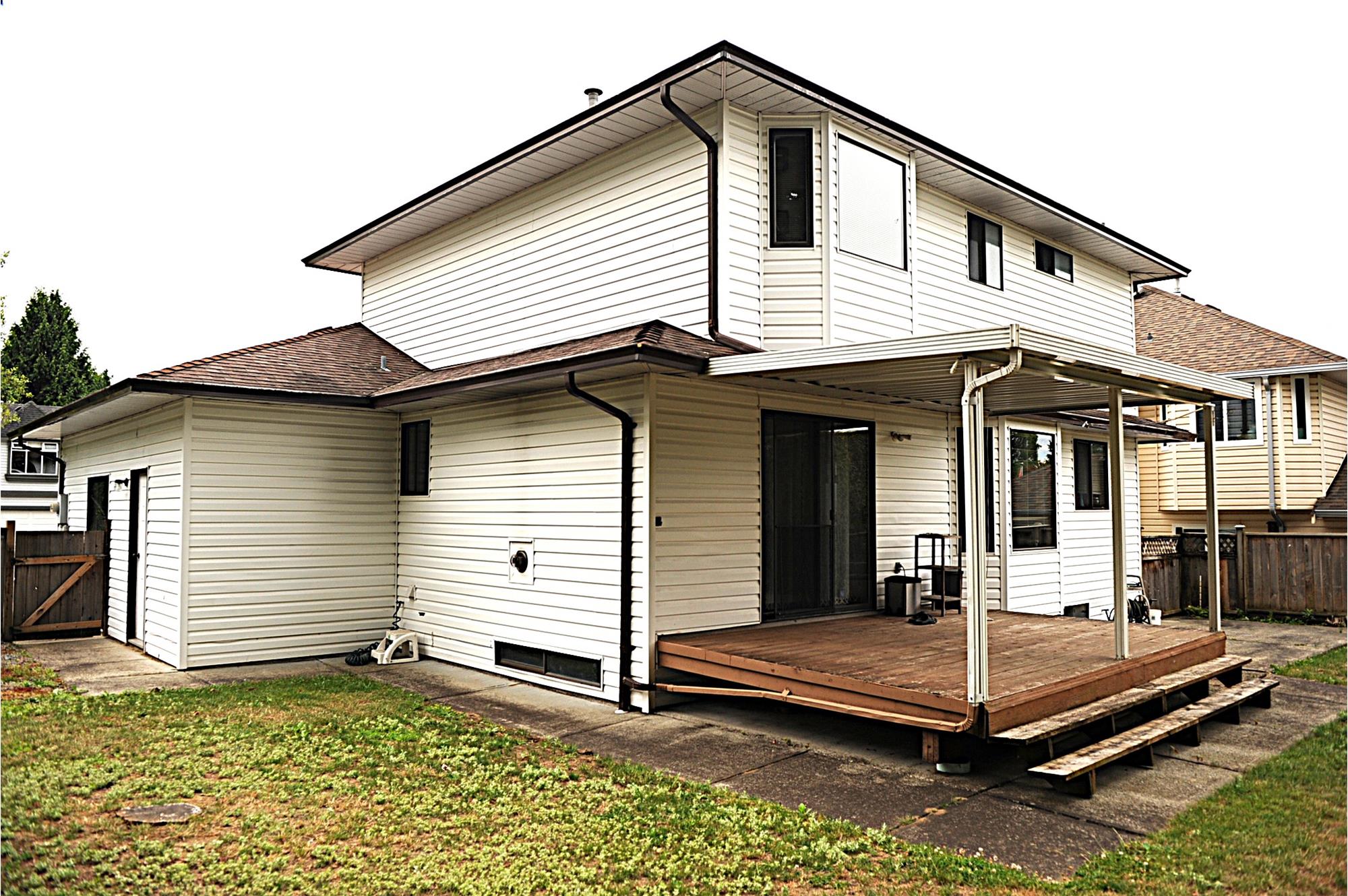
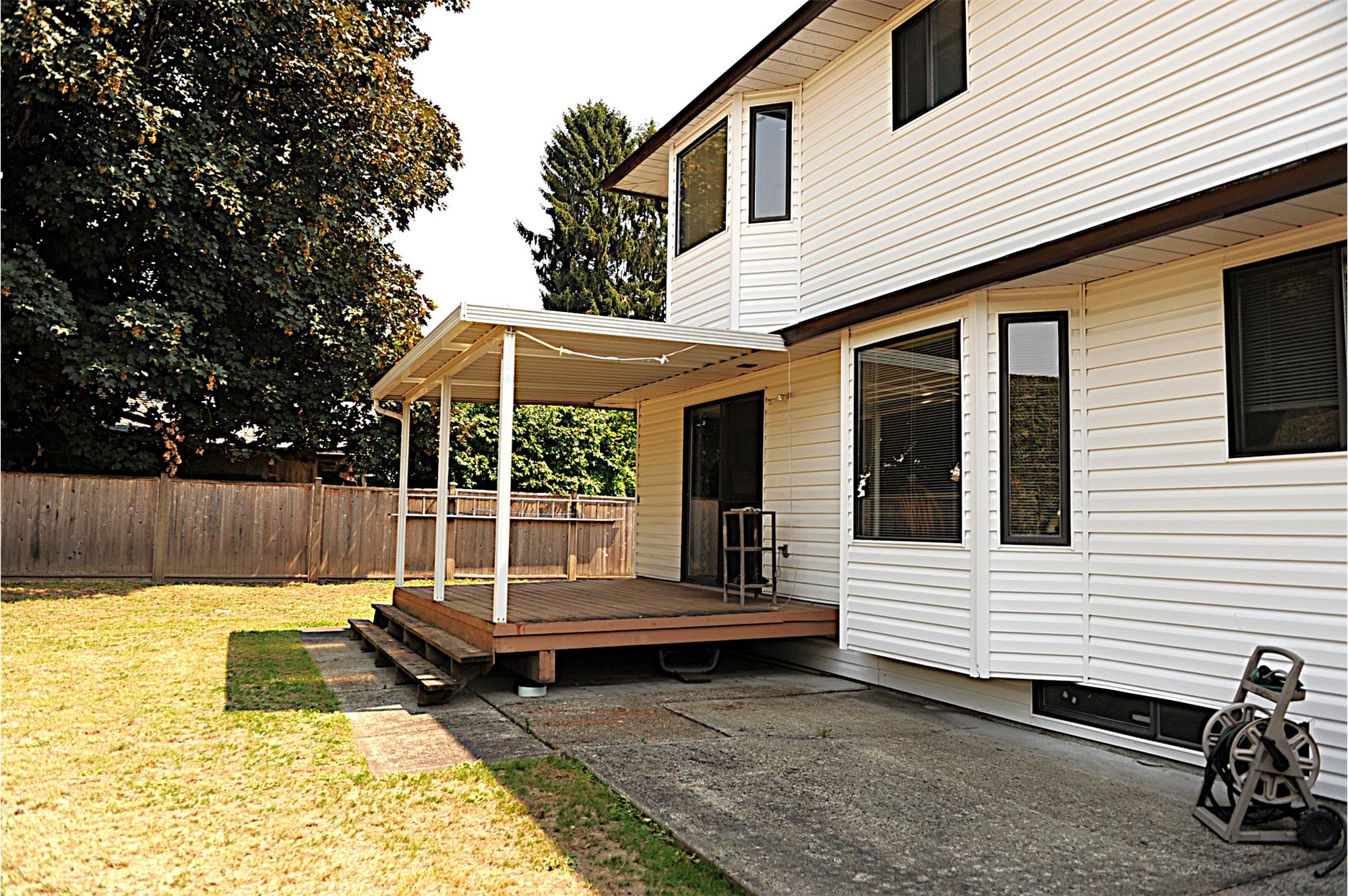
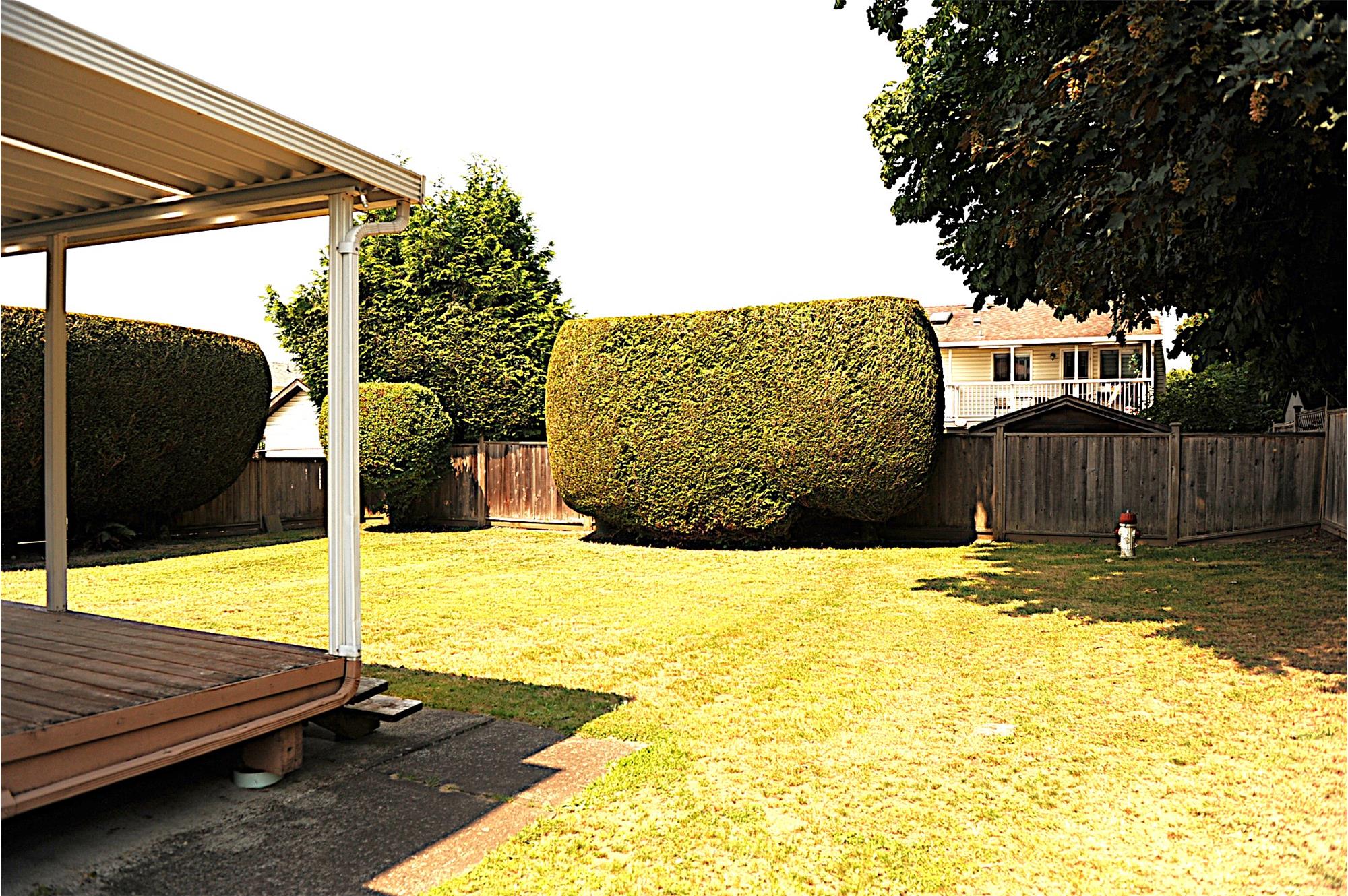
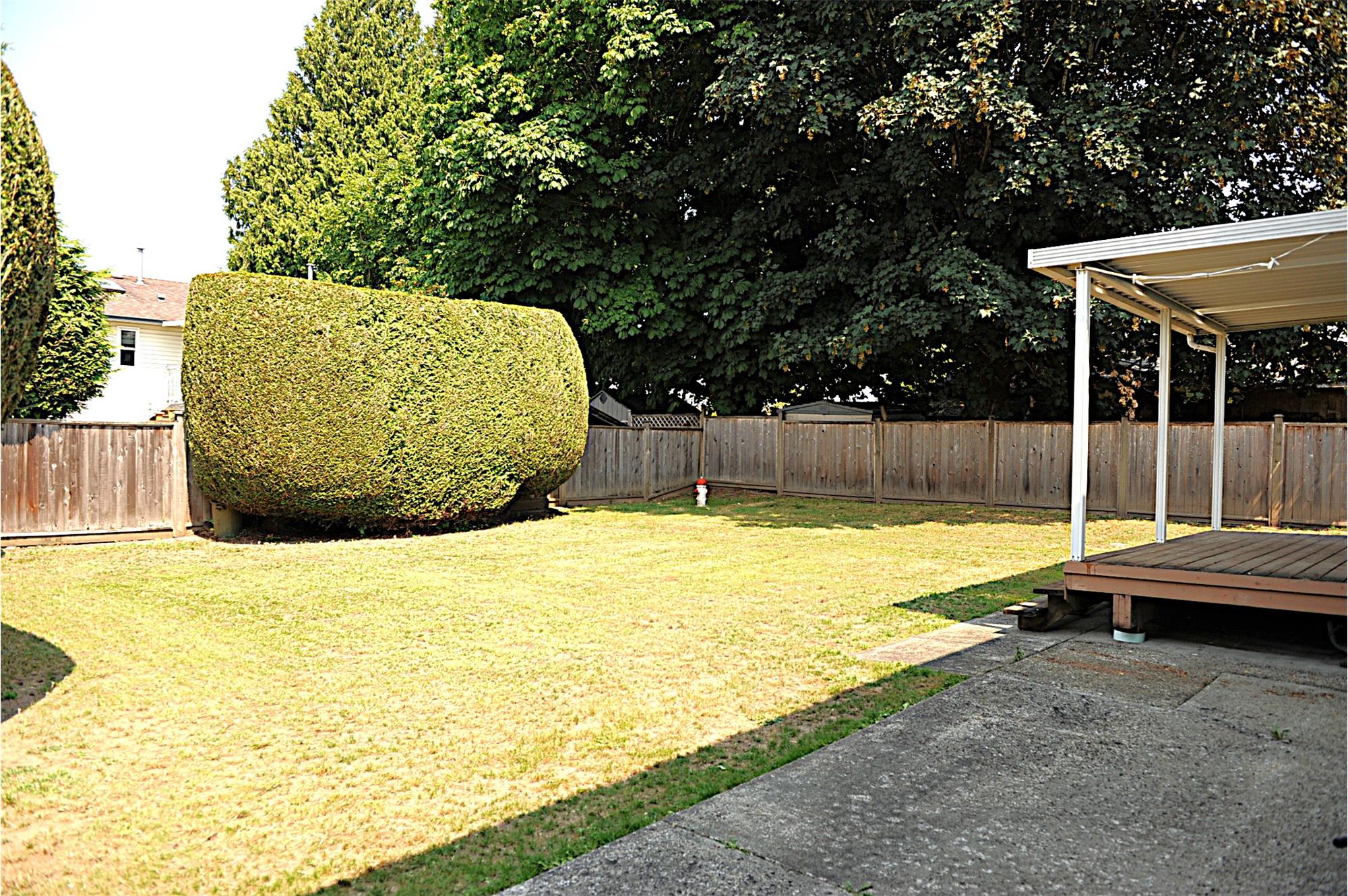
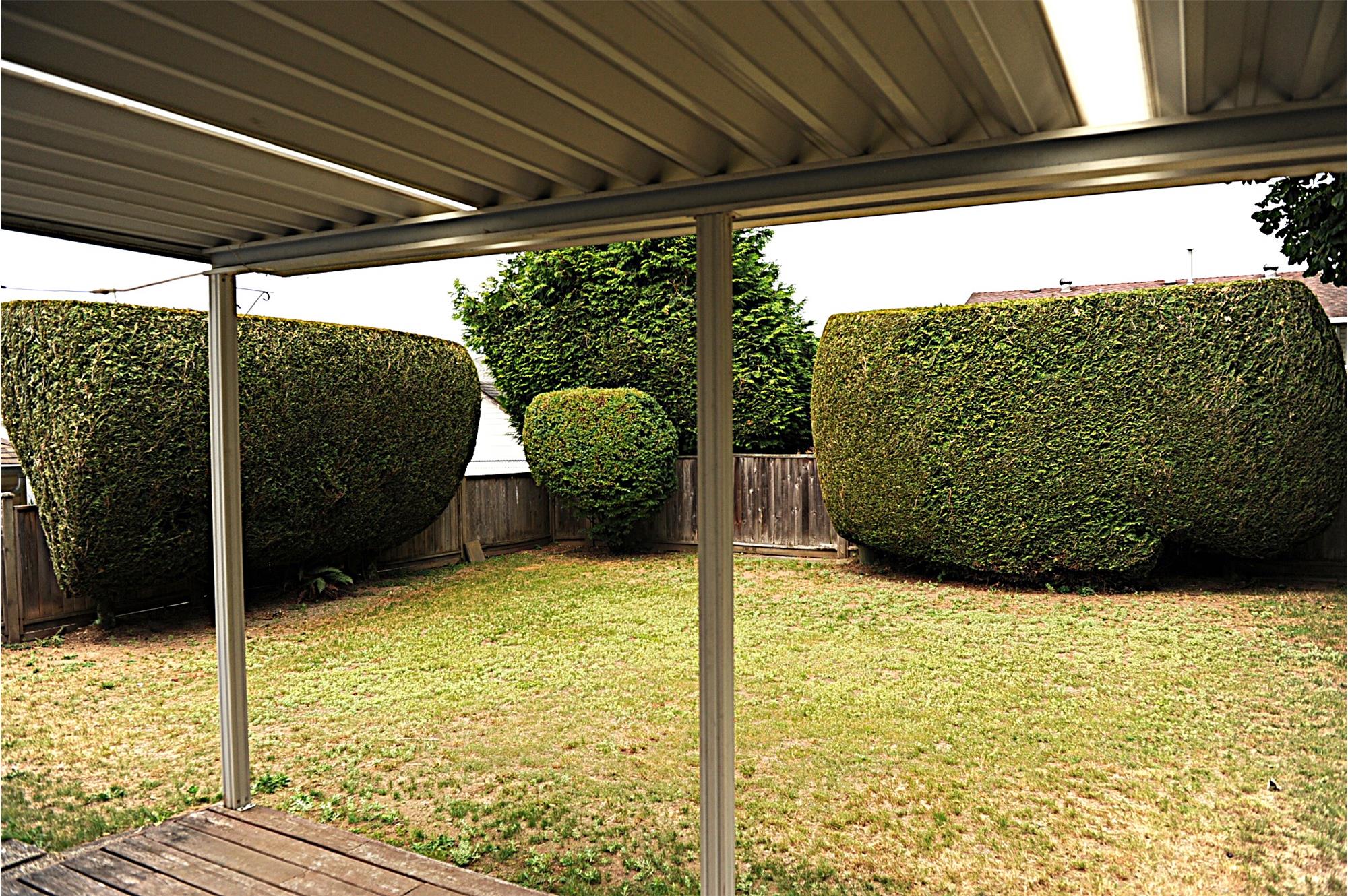
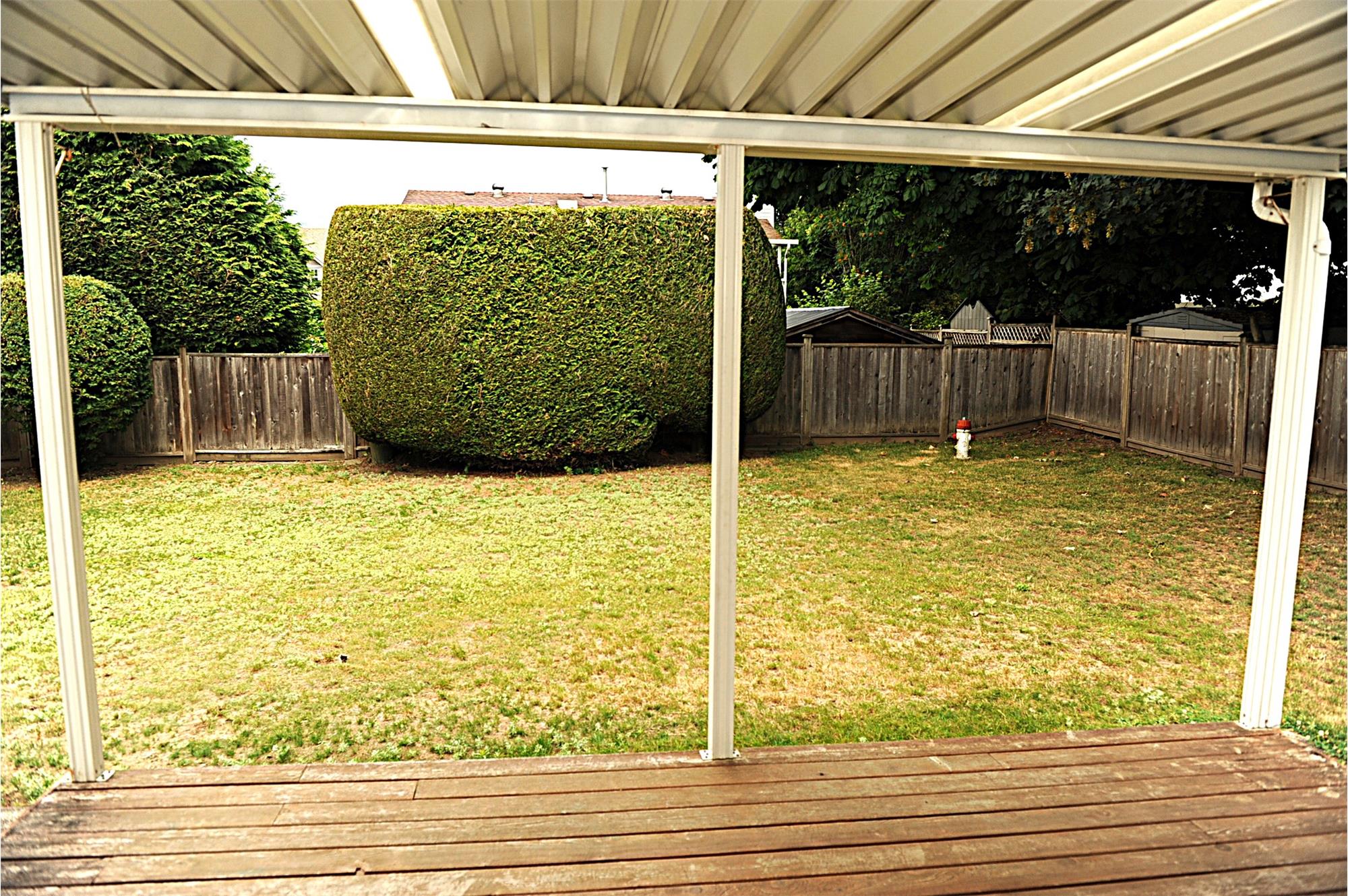
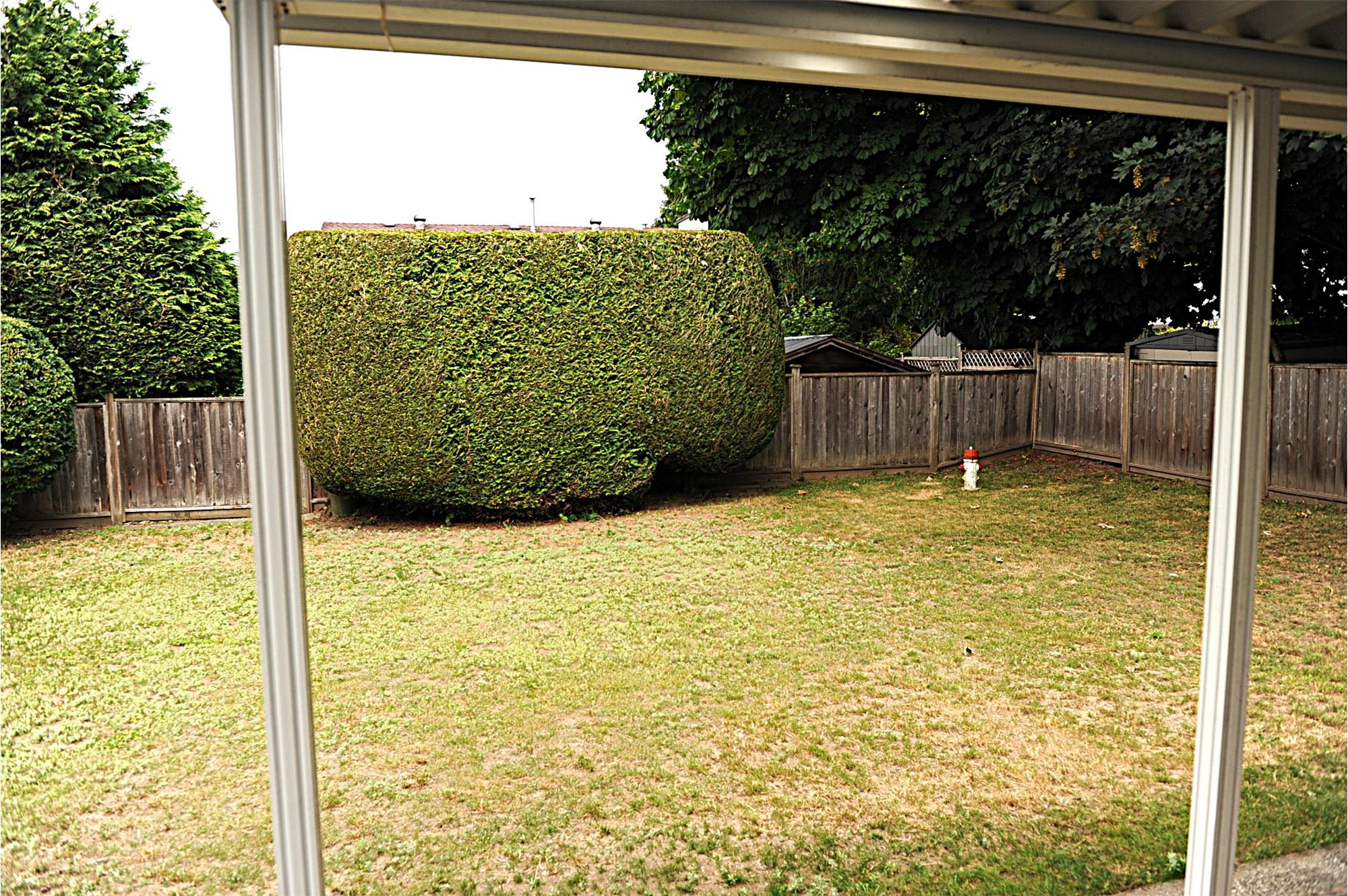
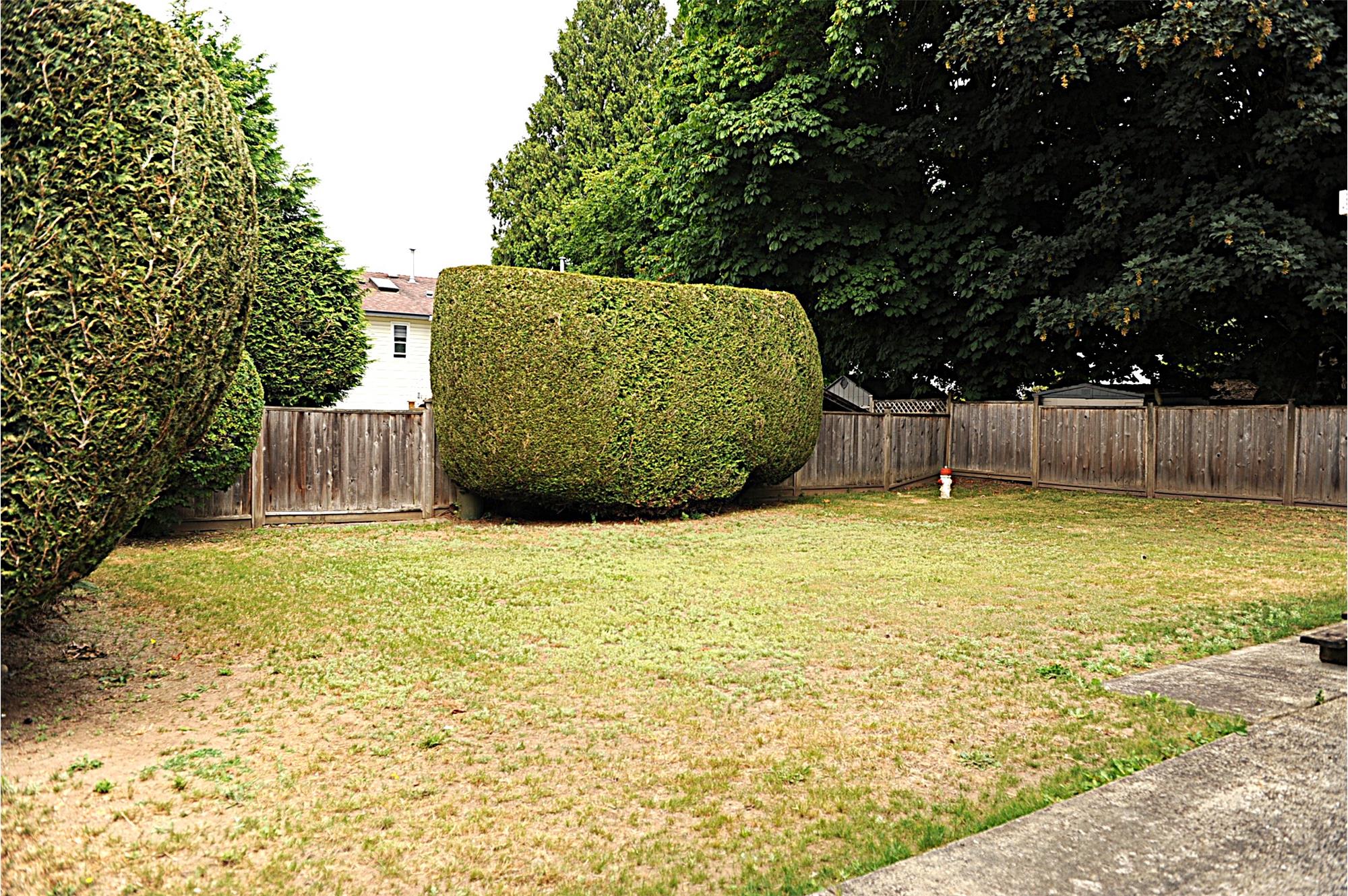
Step outside to enjoy the fully fenced backyard, perfect for entertaining family and friends, featuring a covered sundeck for year-round enjoyment. A full-size double garage and ample RV parking provide exceptional convenience for vehicles, toys, and extra storage.
Ideally located close to elementary and secondary schools, parks, golf courses, shopping, restaurants, recreation, and transit, with quick and easy access to the Golden Ears Bridge. This is a rare opportunity to own a lovingly home in a fantastic family-friendly community.
Pitt Meadows is a city within Metro Vancouver in southwestern British Columbia, Canada. Incorporated in 1914, it currently has a land area of 86.34 square kilometres (33.34 sq mi) with an estimate population of 19,498 as of 2024. The city received its name from the Pitt River and Pitt Lake.[6] Pitt Meadows is one of the cities in British Columbia including Electoral Area A[7] that comprises the Metro Vancouver Regional District.[2]
Pitt Meadows Is 110 Years old. Indigenous Peoples have resided in Pitt Meadows for approximately 1000 years. James McMillan explored the area in 1874. The Municipality of Maple Ridge, which included the Pitt Meadows area, was incorporated in 1874. In 1892, residents of the Pitt Meadows area petitioned for their removal from the District of Maple Ridge. In 1893, the first dyking district was organized; however, the Fraser River Flood of 1894 flooded many acres of land in Pitt Meadows.
In 1914, Pitt Meadows was a small, agricultural community of less than 250 individuals which supplied Vancouver and New Westminster with produce and dairy products. In 1995, Pitt Meadows became a member municipality of Metro Vancouver.[8] In 2007, the District of Pitt Meadows was incorporated as the City of Pitt Meadows. In 2014, Pitt Meadows' centennial occurred.
Indigenous Peoples resided in the Pitt Meadows area approximately 1000 years ago. James McMillan explored the area during the 1824 Hudson's Bay Company expedition to the Lower Fraser. Europeans started a settlement known as Bonson's Landing in the area in the 1870s. Early settlers were mostly Anglo-Saxon until after 1910.[9] The municipality takes its name from the Pitt River and Pitt Lake.[6] The river, the lake and the settlement were named for British prime minister William Pitt the Younger.[10]:208 The Municipality of Maple Ridge, which included the Pitt Meadows area, was incorporated in 1874. In 1885, the Canadian Pacific Railway was constructed through Pitt Meadows to Port Moody, and Vancouver soon after.
The Pitt Meadows General Store, which was constructed in 1886, was moved to its current location in 1908. A garden has existed since the early years of development on the Site.[11] The store, which contained the community's first Post Office and the first telephone, has been the home of the Pitt Meadows Museum and Archives since June 1998.[12]
In 1892, residents of the Pitt Meadows area petitioned for their removal from the District of Maple Ridge. In 1893, the first dyking district was organized. The Fraser River Flood of 1894 flooded many acres of land in the spring.[9]
Pitt Meadows reverted to unorganized territory from 1892 until it was separately incorporated as a municipality in 1914.[1] In 1914, Pitt Meadows was a small, agricultural community of less than 250 individuals which supplied Vancouver and New Westminster with produce and dairy products.[13] After 1910, many French Canadians and Japanese arrived as settlers.
During World War II, Pitt Meadows lost servicemen including: Aircraftman 2nd Class William George Bend;[14] Ordinary Seaman John Pastorek[15] and Flight Lieutenant Robert Arnold Samuel Lasser.[16]
A large group of Dutch farmers reclaimed much of the low-lying land in Pitt Meadows after World War II. Pitt Meadows joined the Greater Vancouver Water District in 1948.
In 1948, a major flood occurred after cool weather through mid-May allowed an unusually large snowpack to accumulate, and a sudden shift to warm temperatures caused a fast melt.[17]
In 1957, the second Pitt River Bridge, opened. Replacing the first bridge built in 1915.[9][18] A twin bridge was built to complement the 1957 bridge in 1978.[19]
The Pitt Meadows Regional Airport opened in 1963.

A Heritage Preservation Area contains several buildings of significant heritage value, including the old General Store (now the Pitt Meadows Museum) and Hoffman and Sons Garage. Hans Hoffmann, a mechanic, worked in and then ran the family business of Hoffmann and Son Ltd. for almost 45 years. In 1974, Hans began his hobby of collecting and restoring stationary gasoline engines.[20]
In 1990, the Pitt Meadows Cenotaph was constructed "in memory of all those who have served and died for us."[21] The City of Pitt Meadows received funding for the restoration of the Pitt Meadows Cenotaph, in 2009.[22] In 2012, British Columbia formally apologized to the Japanese-Canadian community for the internment of thousands of people during the Second World War. Tosh Suzuki's family spent nine years in Manitoba after being displaced from their Pitt Meadows berry farm.[23]
The announcement of the Letters Patent for Pitt Meadows, and Grant of Arms, Supporters, Flag and Badge was made on March 12, 2005, in Volume 139, page 688 of the Canada Gazette. The Arms consist of the colours purple and gold, its heron emblem and a band running parallel to the edge of the shield which represents the dykes which protect the lands of the municipality. The crenellated outer edge represents gearwheels and refer to the historic Hoffman garage. The horizontal bands symbolize the CP railway line around which the District grew. The motto is Prosperity through endeavour. The crest coronet represents Golden Ears peaks to the north of the District. The white drops in the crest recall the early dairy industry. The Katzie eagle symbol in the crest recalls the original Aboriginal inhabitants and recreational aviation.[24]
This property is located at 19149 117B Ave, Pitt Meadows, BC V3Y 2C3

